Thai massage is unique because it blends ancient techniques with a focus on energy flow and holistic wellness. You’ll experience yoga-like stretches that enhance flexibility, combined with rhythmic compression along energy lines called “Sen.” This not only addresses muscular tension but also uplifts your spirit. Unlike Western styles that primarily target specific muscles, Thai massage emphasizes overall body alignment and energy circulation. It promotes a deeper connection between body and mind, offering incredible stress relief and improved circulation. Want to uncover more about its enriching benefits and techniques? There’s so much more to explore.
Historical Origins of Thai Massage
Thai massage weaves together a rich tapestry of history, blending ancient traditions and holistic healing practices. Its roots trace back over 2,500 years, influenced by the teachings of Indian Ayurvedic medicine and Buddhist philosophies.
As you explore this healing art, you’ll find that its cultural significance extends beyond mere relaxation; it’s a spiritual practice that promotes balance and well-being.
Traditional practices in Thai massage incorporate yoga-like stretches, acupressure, and breathwork. You might notice how these techniques aim to enhance energy flow, or “lom,” throughout the body.
In Thailand, massage isn’t just a luxury; it’s an integral part of daily life and community wellness. Historically, practitioners relied on their training and intuition to address individual needs, passing down knowledge through generations.
As you engage with Thai massage, you’ll become part of a lineage that values mindfulness, connection, and healing. It’s an experience that transcends physical touch, inviting you to appreciate the depth of its historical origins.
Through this journey, you’ll gain insight into how cultural significance shapes not only the practice itself but also your own understanding of wellness.
Techniques and Methods Used
Building on the rich historical foundation of this healing art, the techniques and methods used in Thai massage are as diverse as they’re effective. You’ll find that this unique practice combines stretching techniques with rhythmic compression, creating a dynamic experience for both body and mind.
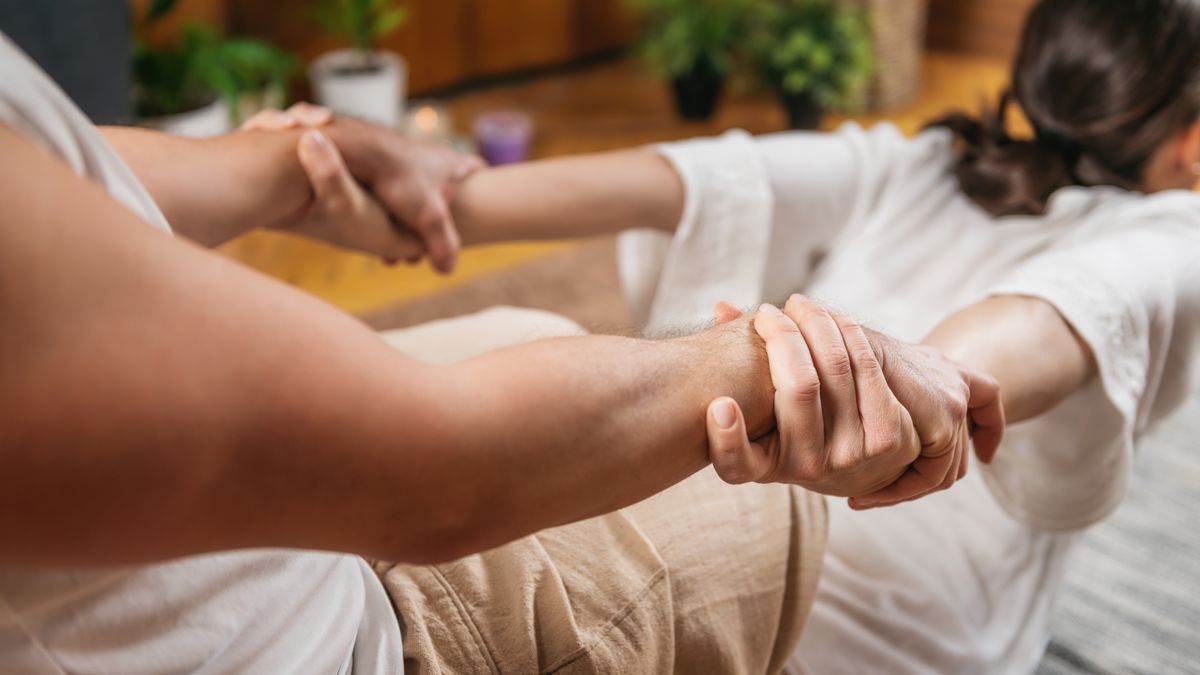
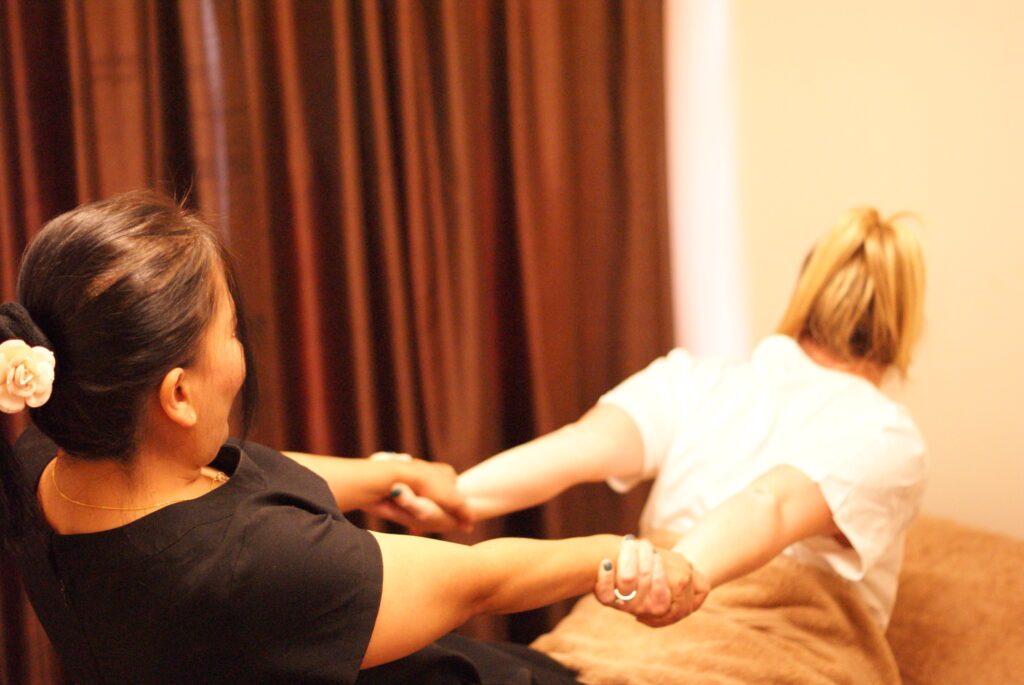
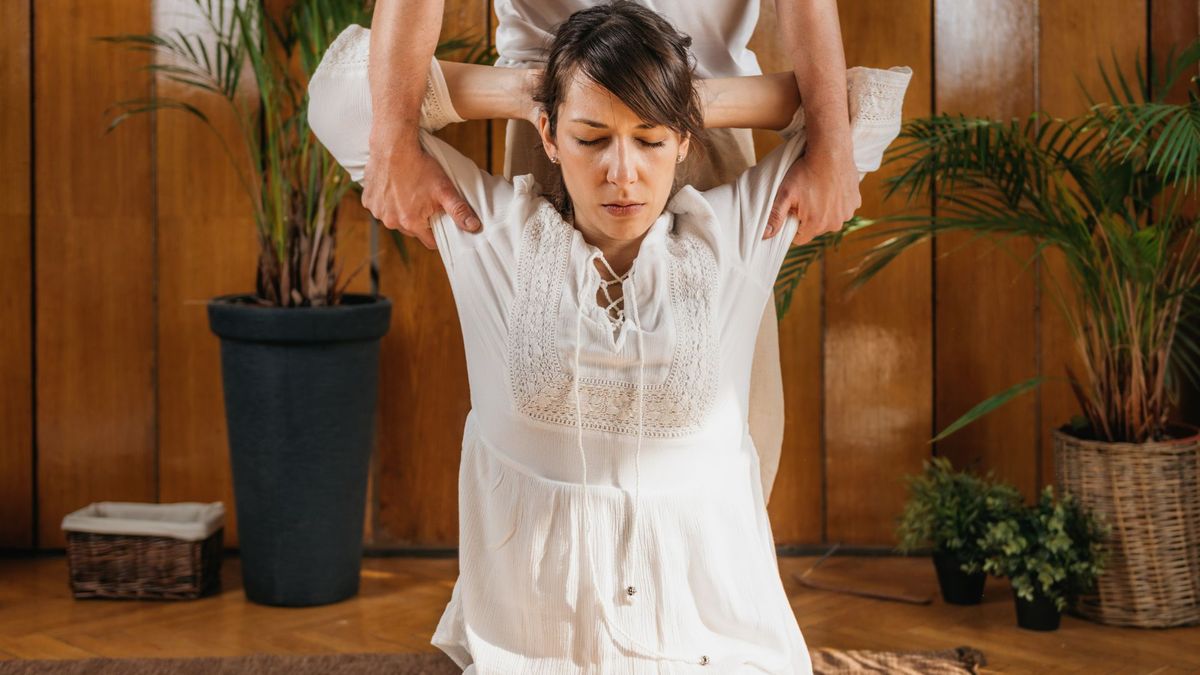
During a session, your therapist will guide you through a series of assisted stretches that help increase flexibility and promote relaxation. These stretching techniques often resemble yoga poses, allowing your body to open up and release tension in a gentle yet profound way.
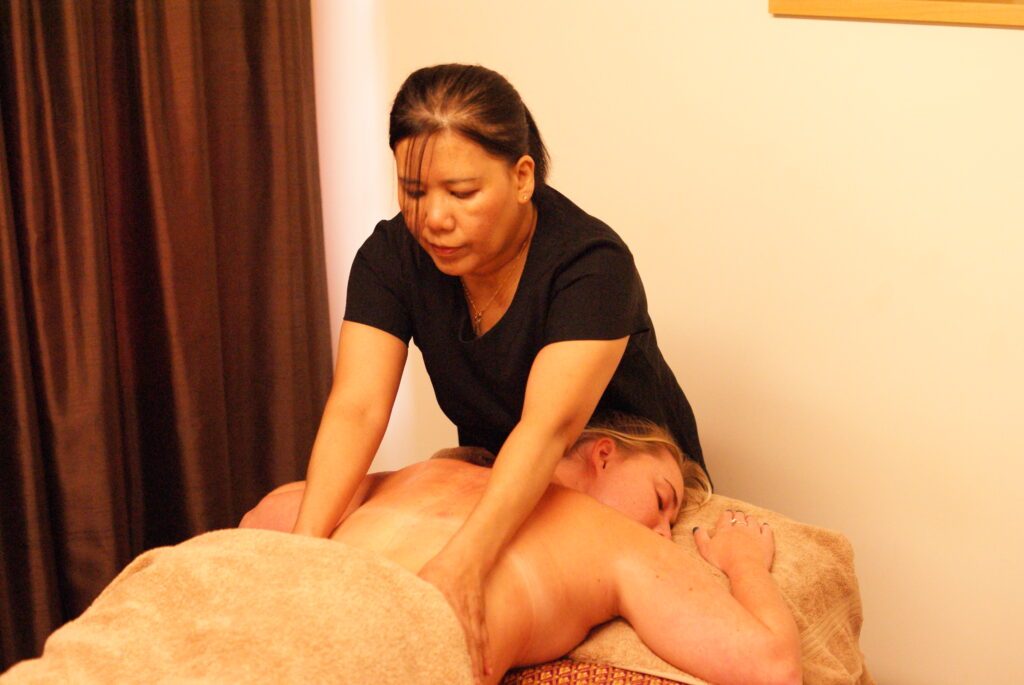
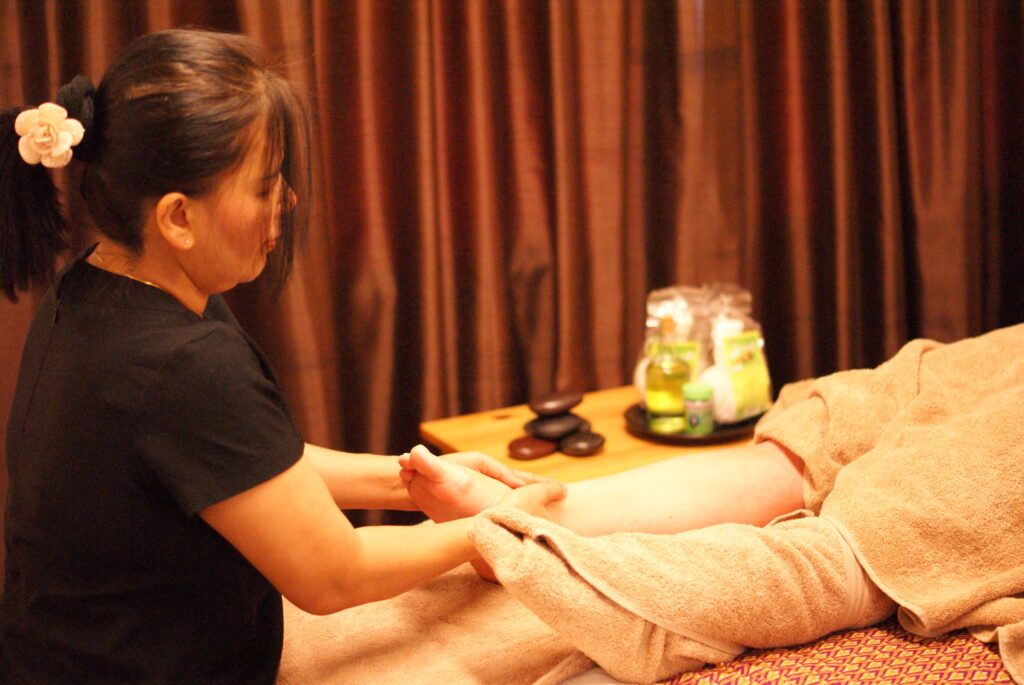
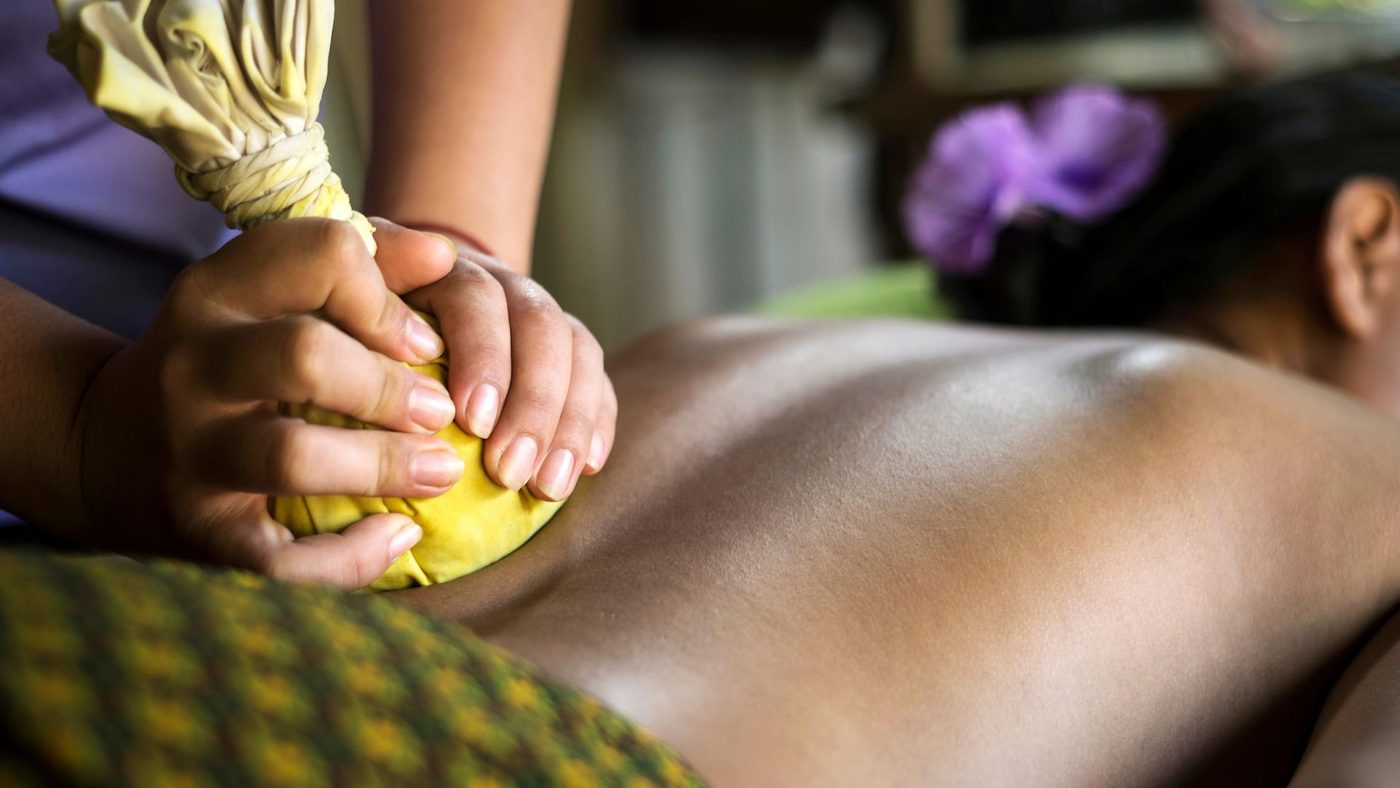
In addition to stretching, rhythmic compression plays an essential role in Thai massage. Your therapist will use their hands, elbows, and feet to apply pressure along your body’s muscles and energy lines, ensuring a balanced flow of energy. This technique not only alleviates muscle tightness but also enhances circulation, leaving you feeling rejuvenated.
Together, these methods create a holistic experience that nurtures your physical, emotional, and spiritual well-being. By embracing these techniques, you’re not just receiving a massage; you’re engaging in a transformative journey that honors your body’s innate wisdom.
Focus on Energy Lines
In any effective Thai massage session, the focus on energy lines, known as “Sen,” is crucial. These energy lines are believed to carry essential energy, or “prana,” throughout your body, influencing your overall well-being. By understanding and working with these lines, the therapist can help restore balance and enhance your energy flow.
During your session, the therapist uses a combination of stretching, acupressure, and rhythmic movements to stimulate these energy pathways. This approach emphasizes body alignment, ensuring that your posture supports ideal energy circulation.
When your body is aligned correctly, it allows the energy to flow freely, reducing tension and promoting relaxation. You might feel different sensations as the therapist works on specific points along the Sen lines. This can range from deep relaxation to invigorating energy surges.
The goal is to release blockages and harmonize your energy, helping you feel more centered and revitalized. Ultimately, the focus on these energy lines distinguishes Thai massage from other styles, offering a holistic experience that nurtures both body and spirit.
Embracing this ancient wisdom can lead to profound personal transformation, enhancing your overall health and energy.
Comparison With Western Massage
Understanding the focus on energy lines in Thai massage highlights how it differs from Western massage techniques. While Western massage often emphasizes muscle relaxation and the alleviation of physical tension, Thai massage takes a more holistic approach by considering energy flow and balance within the body. This cultural significance is deeply rooted in ancient traditions, where the belief in energy pathways shapes the entire practice.
In Thai massage, you’re likely to experience a blend of stretching, acupressure, and rhythmic movements, all aimed at releasing blockages in the energy lines, known as “Sen.” In contrast, Western methods typically focus on localized areas of discomfort, targeting specific muscle groups or knots, often employing oils and lotions to facilitate the process.
Practitioner training also varies markedly. Thai massage therapists undergo extensive training that encompasses not just physical techniques but also the philosophy surrounding energy work. This holistic education equips them with a deeper understanding of how to approach each client’s unique needs, whereas Western practitioners may prioritize anatomy and physiology.
Ultimately, these differences create distinct experiences, allowing you to explore the unique benefits each style offers.
Benefits of Thai Massage
What benefits can you expect from a Thai massage experience? First and foremost, you’ll find incredible stress relief. The combination of gentle stretching and acupressure techniques works to release tension stored in your muscles, helping you feel more relaxed and centered.
As you sink into the experience, your mind quiets, allowing you to escape the daily grind.
Another major benefit is flexibility improvement. Unlike traditional massages, Thai massage incorporates yoga-like stretches that encourage your body to open up and move more freely.
This increased range of motion not only enhances your physical performance but also helps prevent injuries, making it a fantastic option for athletes and active individuals.
Additionally, you’ll notice improved circulation. The rhythmic movements stimulate blood flow, delivering oxygen and nutrients to your cells, which promotes overall wellness.
This holistic approach not only nurtures your body but also uplifts your spirit.
And Finally
In the tapestry of wellness, Thai massage weaves a vibrant thread that stands out. It’s not just about relaxation; it’s a dance of energy, stretching your body while igniting your spirit. Unlike conventional methods, it invites you on a journey through ancient techniques, unleashing the flow of life within. So, when you choose Thai massage, you’re not merely indulging in self-care; you’re embracing a holistic adventure that harmonizes body, mind, and soul, revealing the art of true balance.