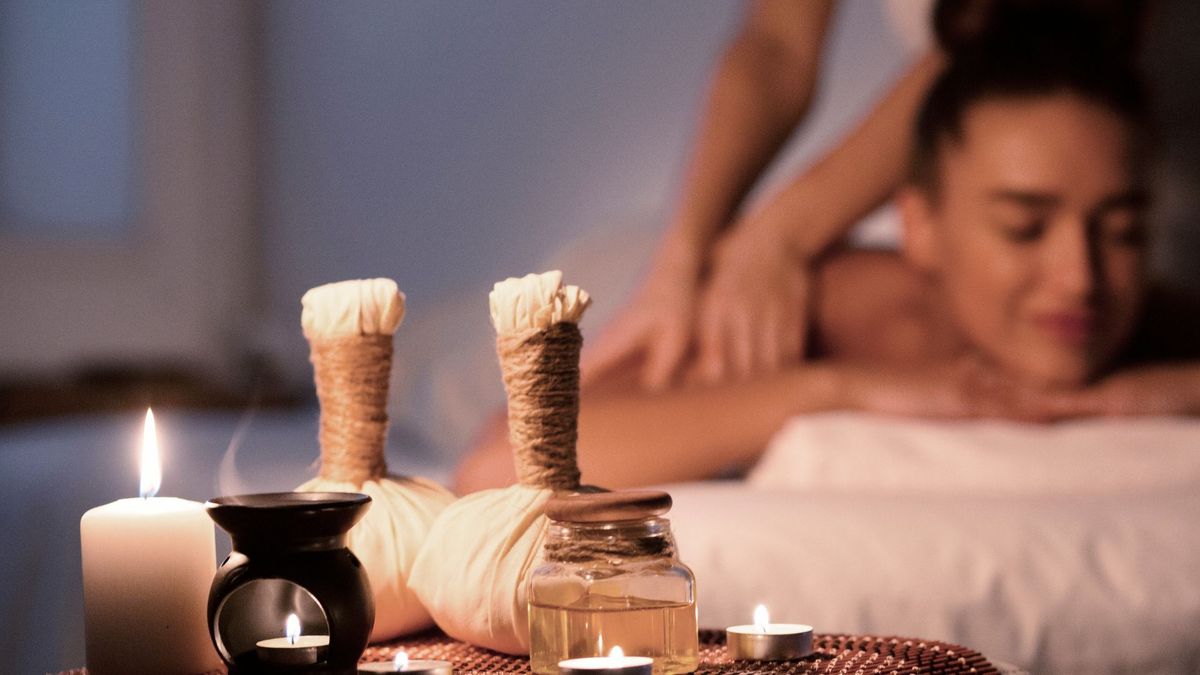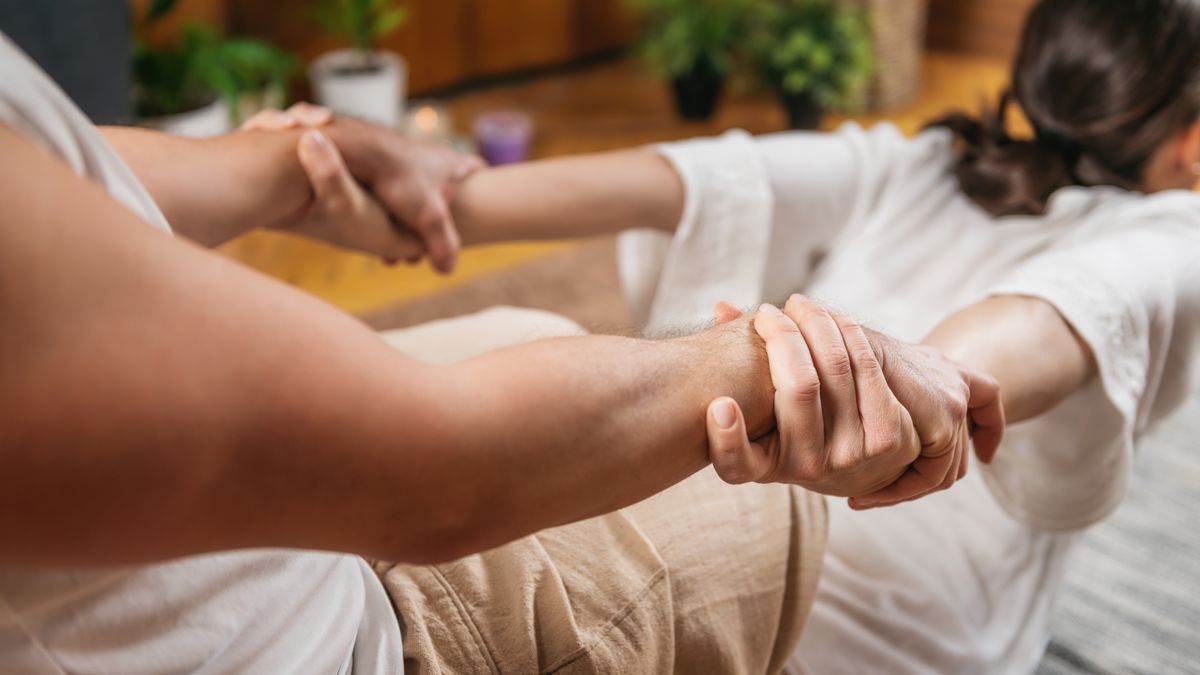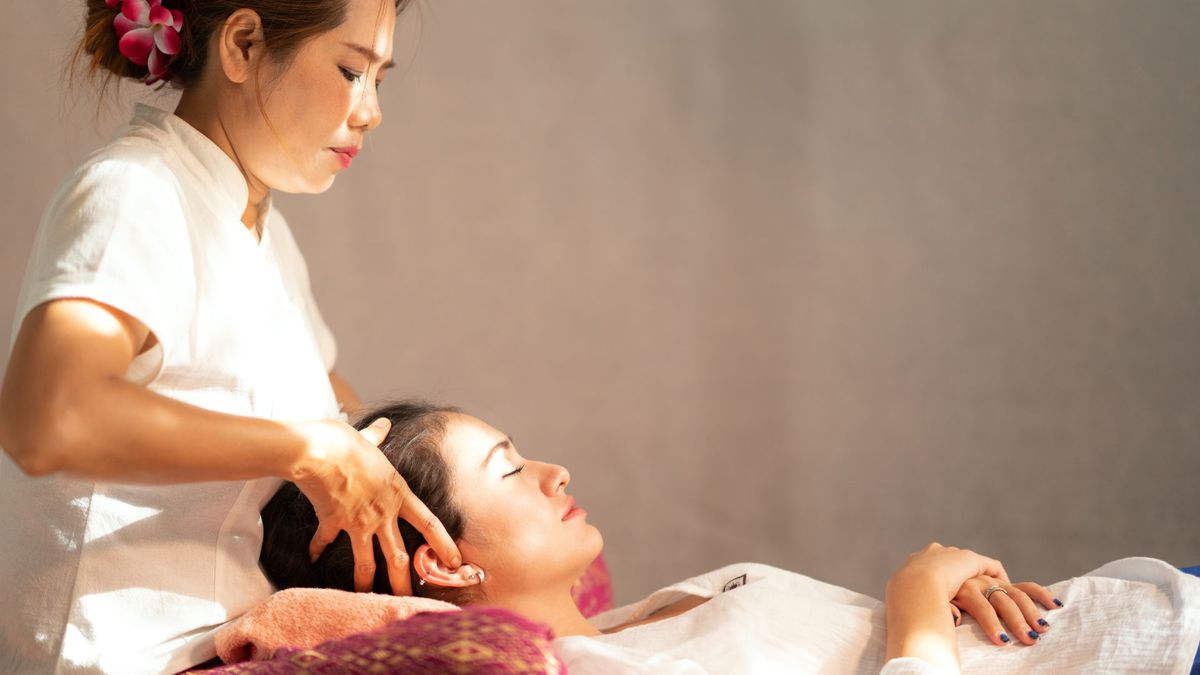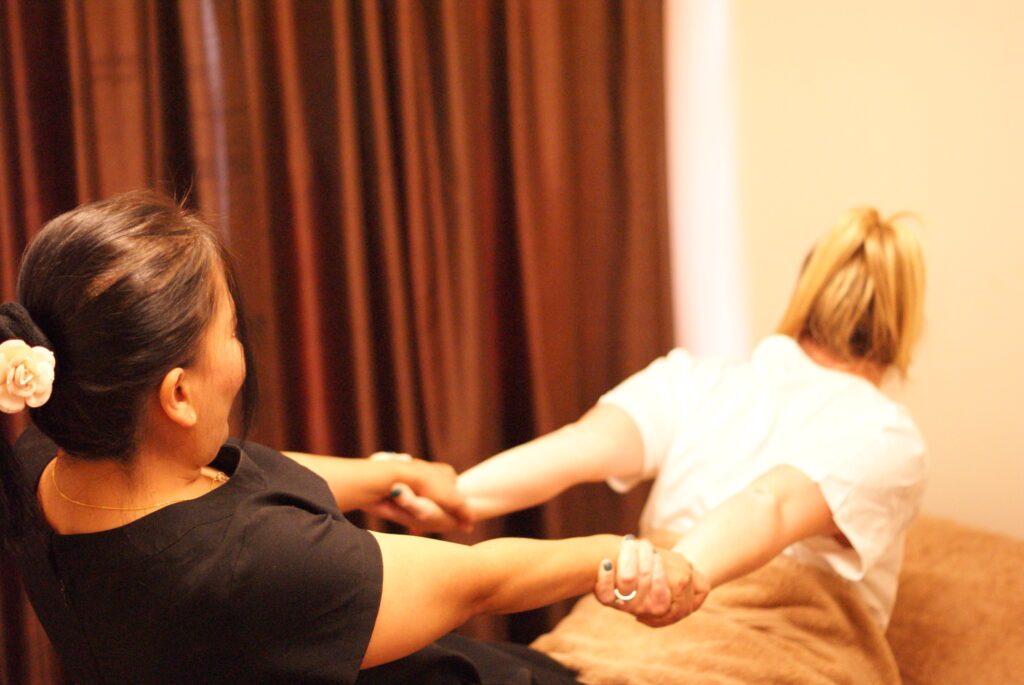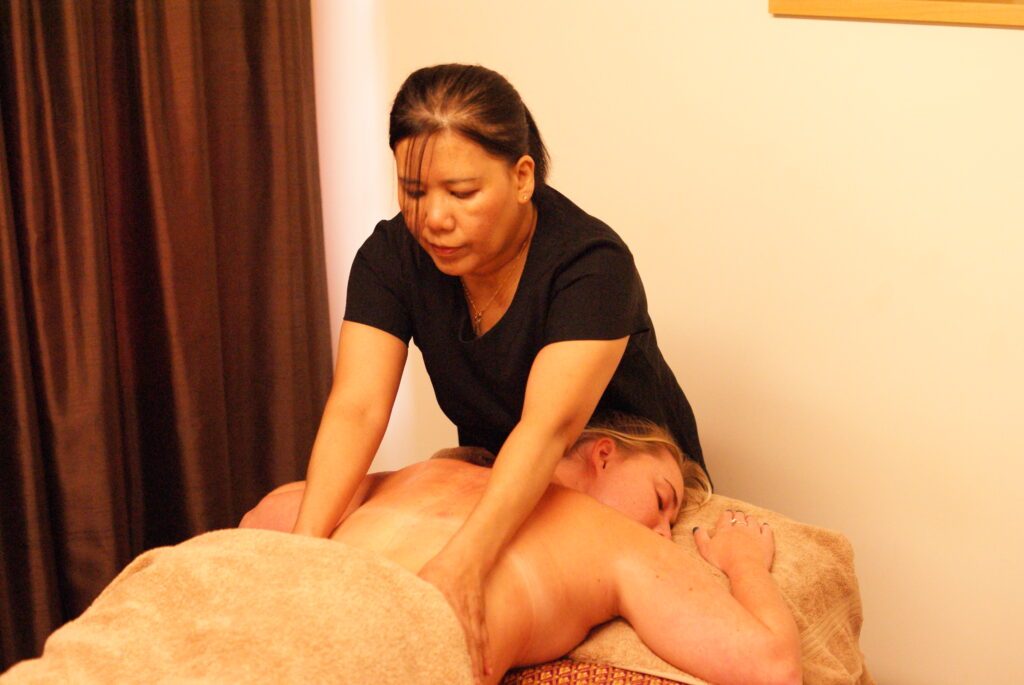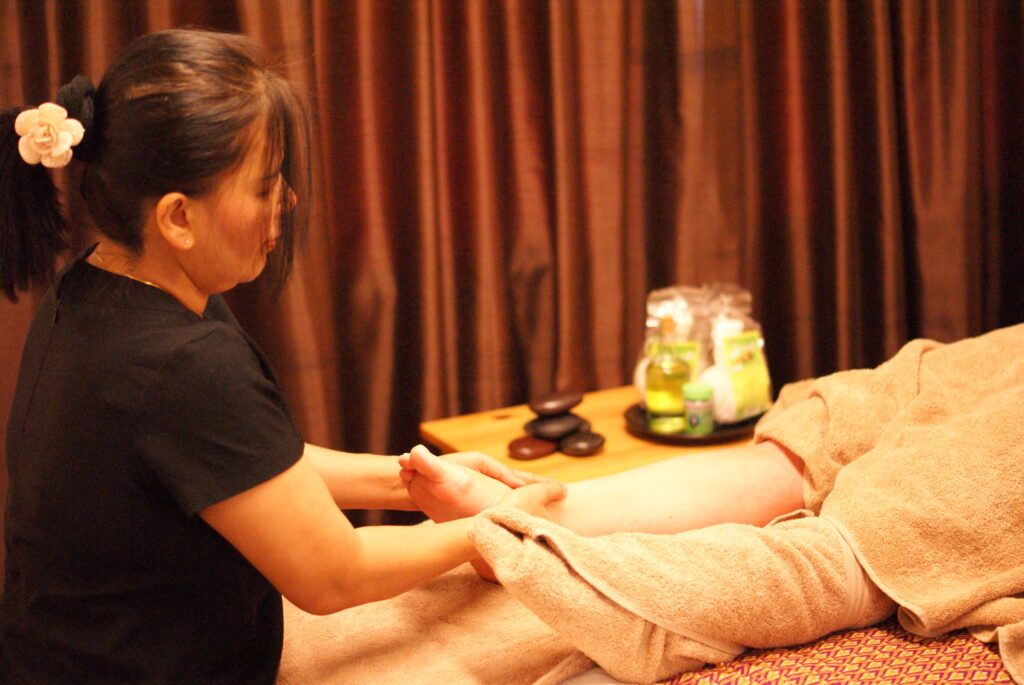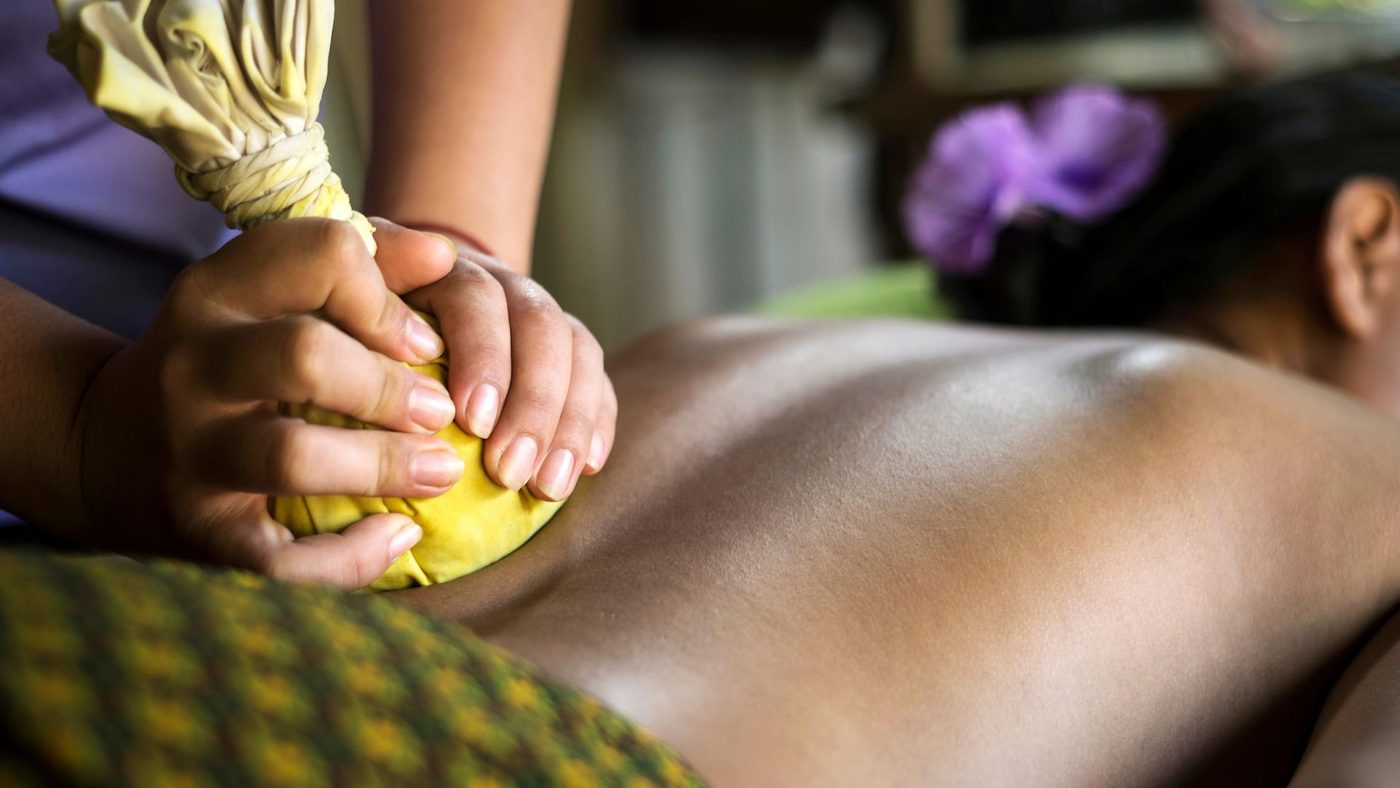
To prepare for your Thai massage, start by wearing loose-fitting, breathable clothing for maximum comfort. Hydrate well by drinking about 8-10 ounces of water an hour before your session to help your muscles relax. Communicate openly with your therapist about any areas of tension and your goals for the massage. Setting your intentions can enrich your experience, so take a moment to reflect on what you want to achieve. Finally, remember that your comfort is key; don’t hesitate to share feedback throughout the session. If you’re curious about enhancing your experience further, there’s so much more to explore!
Understand Thai Massage Principles
To truly appreciate Thai massage, it’s essential to grasp its underlying principles. This ancient practice, rooted in a history overview that intertwines Buddhist philosophy and traditional medicine, emphasizes the balance of energy within the body.
You’ll find that Thai massage is more than just a physical experience; it’s a holistic approach that nurtures both your body and mind.
As you begin your benefits exploration, consider how this form of massage combines acupressure, yoga-like stretches, and rhythmic movements. It helps to alleviate tension, improve flexibility, and enhance circulation.
You’ll also notice that it encourages a sense of deep relaxation, promoting mental clarity and emotional balance.
Understanding these principles can greatly enhance your experience. You’ll feel more connected to the process, allowing the massage therapist to tailor their techniques to your needs.
Remember, Thai massage isn’t just about relieving soreness; it’s about fostering a deep sense of well-being.
Dress Comfortably
Wearing the right clothing can greatly enhance your Thai massage experience. Choosing appropriate attire is essential for maximizing comfort and allowing your body to move freely during the session.
Unlike traditional massage, Thai massage involves a series of stretches and movements that require flexibility. If you wear tight or restrictive clothing, you might miss out on the flexibility benefits that these techniques offer.
Opt for loose-fitting, breathable fabrics that allow for easy movement. Lightweight cotton or stretchy materials are ideal, as they provide comfort while ensuring your therapist can work effectively.
Avoid jeans or any garments with zippers and buttons that could hinder your mobility or cause discomfort during the session.
Additionally, consider the temperature of the massage room. If you tend to feel cold, layering might be a good option, allowing you to peel off a layer if you get too warm.
Hydrate Before Your Session
Staying well-hydrated before your Thai massage can greatly enhance your experience. Proper water intake helps your muscles stay pliable and relaxed, making the massage more effective. If you’re dehydrated, you might feel tightness or discomfort, which can detract from the benefits of the treatment.
Hydration benefits go beyond just muscle relaxation. When you drink enough water, it aids in circulation, ensuring that your body can efficiently deliver nutrients to your muscles and organs. This can enhance your overall well-being during and after your session.
Aim to drink at least 8-10 ounces of water an hour before your appointment, but feel free to hydrate throughout the day leading up to your massage.
Avoid excessive caffeine or alcohol, as these can dehydrate you and may leave you feeling sluggish. Instead, opt for herbal teas or infused water for added flavor and benefits.
Communicate With Your Therapist
Hydration sets the stage for a successful Thai massage, but the experience doesn’t end there.
Open communication with your therapist is essential for tailoring the session to your needs. Before your massage begins, take a moment to discuss any areas of tension or discomfort. This helps your therapist understand your preferences and focus on what matters most to you.
Don’t hesitate to share your expectations and what you hope to achieve from the session. Whether you’re looking for relaxation, relief from pain, or increased flexibility, your therapist can adjust their techniques accordingly.
Also, be open to providing session feedback during and after the massage. If a particular pressure feels too intense or if you’d like them to focus on a specific area, speak up! Your comfort and satisfaction are a priority, and your therapist will appreciate your honesty.
Set Your Intentions
Setting your intentions before a Thai massage can make a significant difference in your overall experience. By taking a moment to reflect on what you hope to achieve, you’re setting the stage for mindful relaxation.
Think about your personal goals—do you want to relieve tension, enhance flexibility, or simply unwind from a stressful week?
Once you’ve identified your intentions, visualize the outcome. Imagine how you’ll feel post-massage and the physical and emotional benefits you hope to gain. This visualization can heighten your focus and allow you to enter the massage with a clear mindset.
Communicate your intentions with your therapist, sharing your goals and any specific areas of concern. This step guarantees they can tailor the session to meet your needs, fostering a more effective and fulfilling experience.
And Finally
As you step onto the mat, feeling the soft fabric beneath you and the gentle scent of essential oils in the air, you’re ready to embrace the healing journey ahead. By understanding Thai massage principles, dressing comfortably, and staying hydrated, you’ll enhance your experience. Communicate openly with your therapist, and set a clear intention for your session. With these tips, you’re not just preparing for a massage—you’re inviting serenity and balance into your life. Enjoy the bliss!