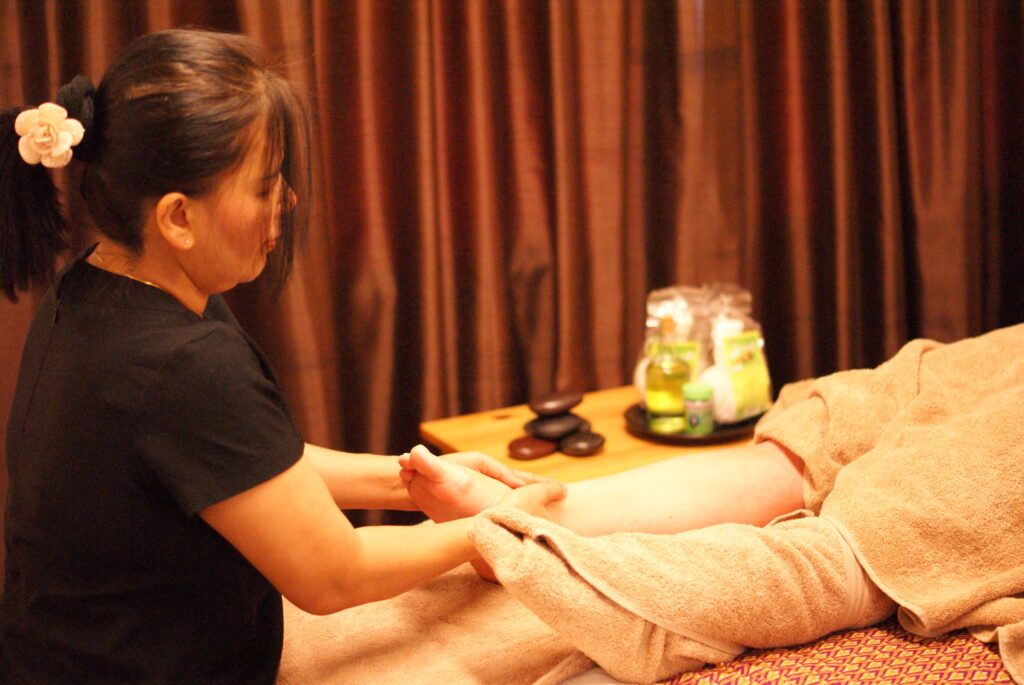
Swedish and Thai massages differ greatly in their techniques and overall experience. While Swedish massage focuses on relaxation using smooth, gliding strokes and can involve oils, Thai massage emphasizes dynamic stretches and energy flow without oil, often performed on a mat. You’ll find Swedish massages typically involve pressure applied in long strokes for deep relaxation, whereas Thai massage incorporates rhythmic pressure. Additionally, Swedish targets areas like the back and shoulders, while Thai focuses on energy lines and legs. The atmosphere also varies; Swedish offers tranquility, whereas Thai is more invigorating. Explore the unique benefits each can provide.
Techniques Used
When exploring the techniques used in Swedish and Thai massage, you’ll quickly notice distinct approaches that cater to different needs and preferences.
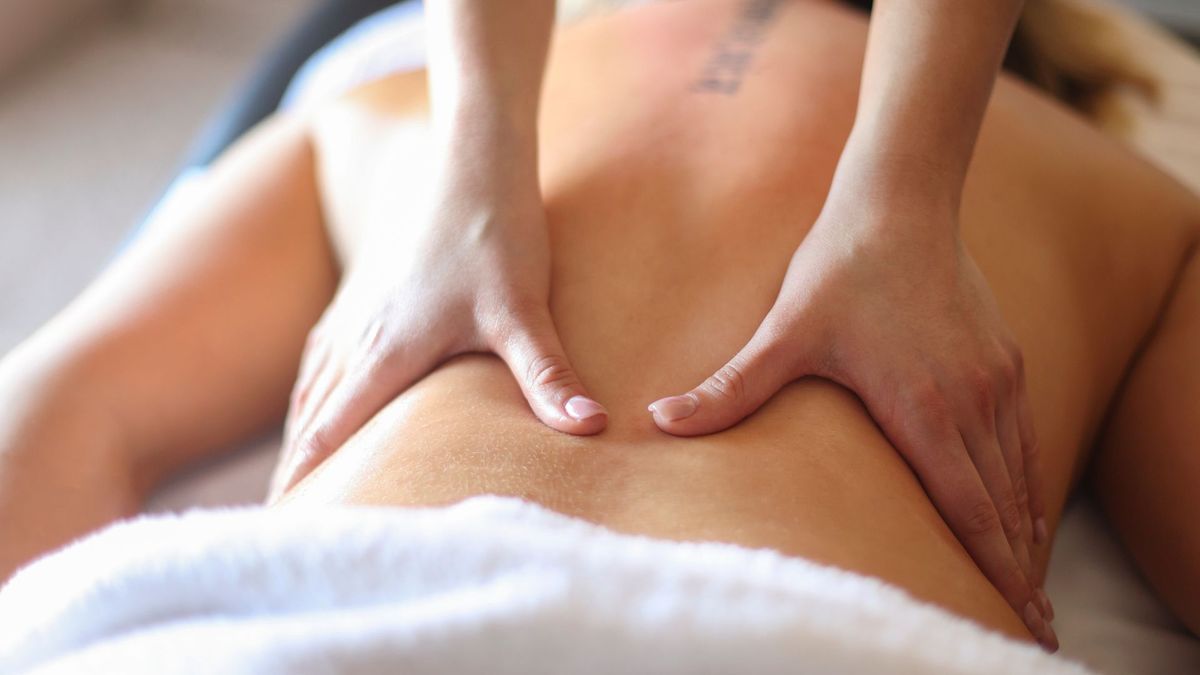
Swedish massage primarily focuses on relaxation and tension relief, utilizing oil application to facilitate smooth, gliding strokes. You’ll experience rhythmic movements, as the therapist employs techniques like effleurage, petrissage, and tapotement, which promote circulation and ease muscle tightness. The gentle pressure encourages deep relaxation, making it ideal for stress relief.
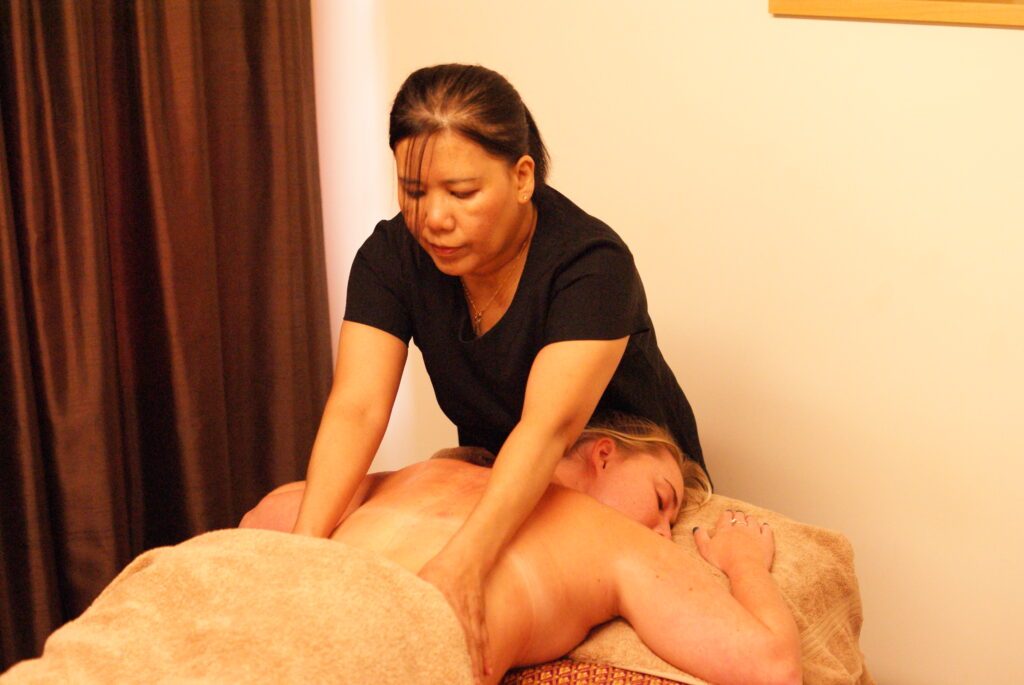
In contrast, Thai massage emphasizes stretching and energy flow rather than oil application. You’ll find that it incorporates rhythmic movements through a series of compressions and passive stretches, often performed on a mat rather than a massage table.
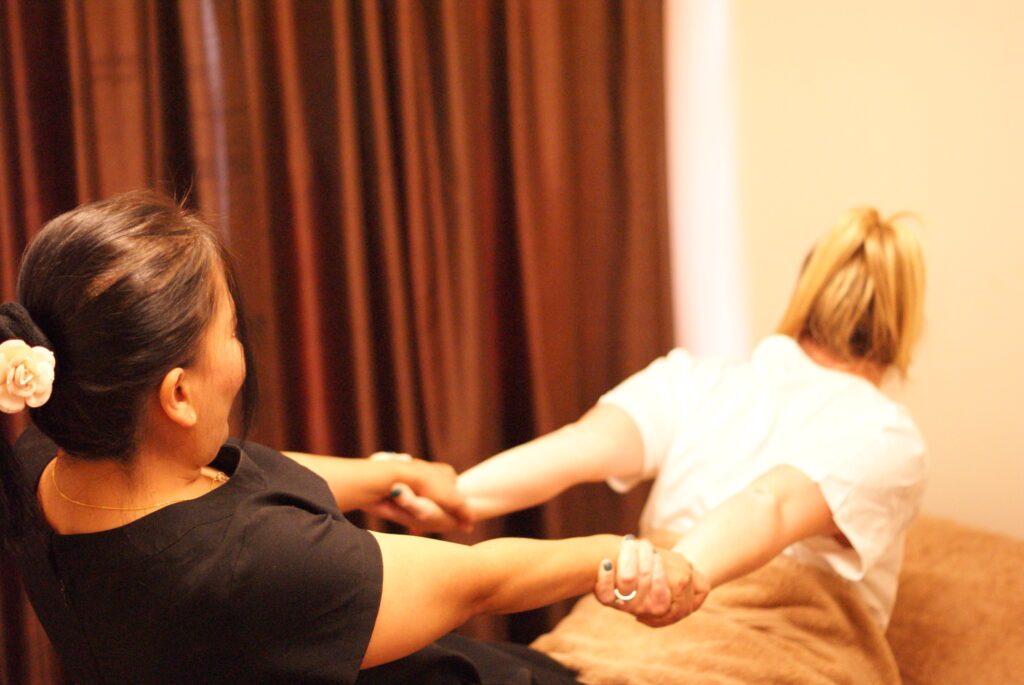
The therapist uses their hands, feet, and body weight to manipulate your muscles, targeting acupressure points that enhance flexibility and invigorate your energy levels. This dynamic approach is designed to increase mobility and restore balance, appealing to those seeking an active form of relaxation.
Body Positioning
Body positioning plays an essential role in the effectiveness and experience of both Swedish and Thai massage.
In Swedish massage, you typically lie face-up on a cushioned table, promoting ideal body alignment. This positioning allows the therapist to work on your muscles using long, flowing strokes. The aim is to enhance relaxation while making sure your muscles stay engaged and responsive throughout the session.
Conversely, Thai massage involves a more dynamic approach. You often find yourself on a mat, fully clothed, and in various seated and lying positions. This unique body positioning fosters greater muscle engagement and flexibility, as the therapist uses your body weight to facilitate deep stretches.
The alignment of your body is essential in Thai massage, as it not only supports the flow of energy but also guarantees that you’re comfortable and safe during the session.
Understanding these differences in body positioning can greatly enhance your massage experience. By being aware of how each style utilizes body alignment and muscle engagement, you can choose the approach that best meets your needs, making sure that you reap the full benefits of your chosen massage therapy.
Pressure Intensity
The differences in body positioning naturally lead to variations in pressure intensity during Swedish and Thai massage.
In Swedish massage, therapists typically use long, gliding strokes that promote deep muscle relaxation. Here, the pressure can vary from light to firm, depending on your preference and needs. The focus is often on relieving tension and encouraging overall relaxation, making it an ideal choice for those seeking pain relief from stress or muscle tightness.
In contrast, Thai massage emphasizes rhythmic pressure and stretching, which can create a more intense experience. The therapist may use their body weight to apply deeper pressure while you remain in various positions, enhancing your flexibility and promoting circulation.
This technique often targets specific muscle groups, which can lead to profound muscle relaxation but may also induce initial discomfort, especially if you’re not accustomed to this style.
Ultimately, the pressure intensity in each massage type is tailored to your individual needs.
Whether you prefer the soothing strokes of Swedish massage or the dynamic pressure of Thai massage, both techniques aim to provide significant benefits for muscle relaxation and pain relief.
Focus Areas
In exploring the focus areas of Swedish and Thai massage, you’ll notice distinct priorities that cater to different therapeutic goals.
Swedish massage emphasizes relaxation and muscle tension relief, often focusing on the upper body, including the back, neck, and shoulders. This approach is designed to enhance blood circulation and promote overall well-being, making it particularly beneficial for stress relief and muscle recovery.
In contrast, Thai massage incorporates a broader range of movements, including stretching and acupressure techniques influenced by traditional Thai medicine. You’ll find that Thai massage often targets energy lines within the body, aligning with its cultural roots. Practitioners frequently concentrate on the lower body, including the legs and feet, promoting flexibility and energy flow.
Both modalities offer common benefits, such as stress reduction and improved mobility.
However, the cultural influences shape their focus areas, with Swedish massage leaning towards a calming experience and Thai massage aiming for dynamic movement and balance. Understanding these focus areas can help you choose the right massage type based on your specific needs and preferences, enhancing your overall therapeutic experience.
Overall Experience
When you consider the overall experience of Swedish and Thai massage, you’ll find that each offers a unique journey tailored to different preferences.
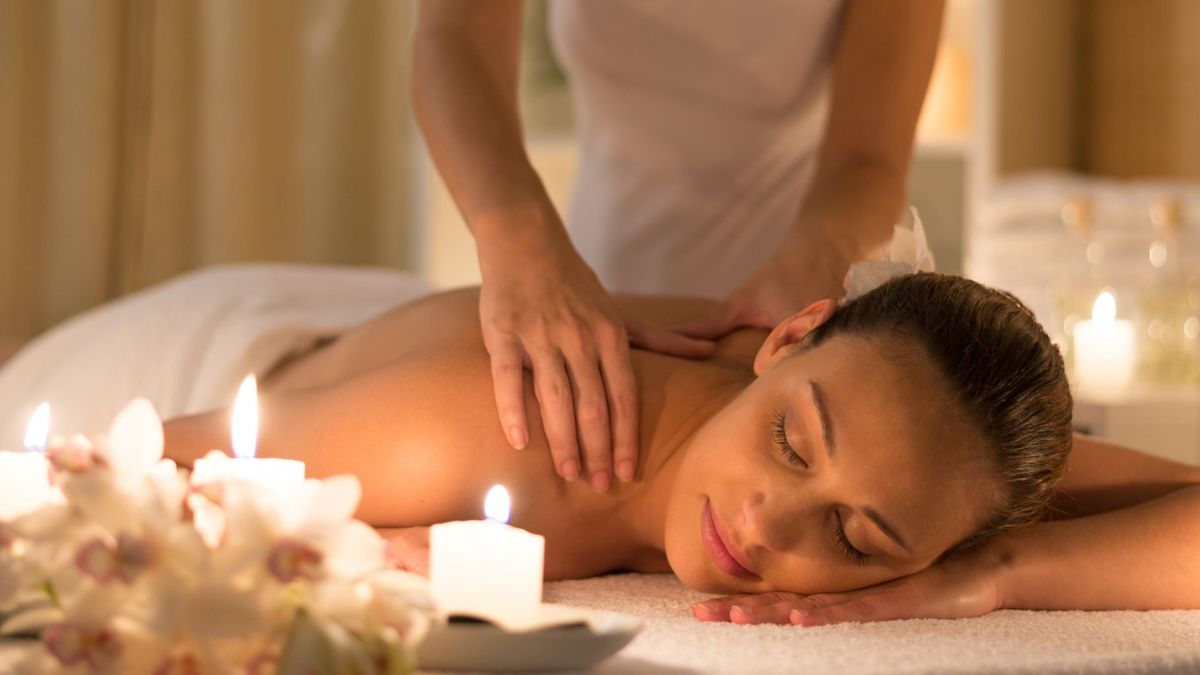
Swedish massage focuses on relaxation and stress relief, typically performed in a serene ambiance setting with soft lighting and calming music. The gentle strokes and kneading techniques encourage deep relaxation, making it ideal for those looking to unwind and escape the hustle and bustle of daily life.
On the other hand, Thai massage takes place in a more dynamic ambiance, often involving a mat on the floor. Here, practitioners use a combination of yoga-like stretches and acupressure, creating a more invigorating experience. This approach appeals to those who prefer an active, engaging session that revitalizes both body and mind.
Your personal preference plays a significant role in determining which massage suits you best. If you seek tranquility and relaxation, Swedish massage may be your go-to.
Conversely, if you want to enhance flexibility and energy, Thai massage could be the ideal choice. Ultimately, both experiences provide valuable benefits, catering to diverse needs and expectations.
And Finally
To summarize, understanding the differences between Swedish and Thai massage enhances your ability to choose the right experience for your needs. Swedish massage, with its gentle strokes and relaxation focus, is like a soft lullaby for your muscles, while Thai massage offers a dynamic stretch akin to a dance through time. By recognizing these unique techniques, body positions, and pressure levels, you can better tailor your self-care routine and find the perfect balance for your body and mind.