Thai massage can be surprisingly pleasant for first-timers. Most people report feeling relaxed rather than experiencing pain. The therapist tailors the session to your comfort, applying gentle yet firm pressure while using techniques that combine stretching and acupressure. Although you might feel some intensity during the session, open communication with your therapist will help adjust any discomfort. Your physical condition and mental state play a significant role, too; being relaxed can actually reduce any sensations of pain. Trust the process, and you’ll likely find it invigorating. There’s more to discover about enhancing your experience ahead.
Understanding Thai Massage Techniques
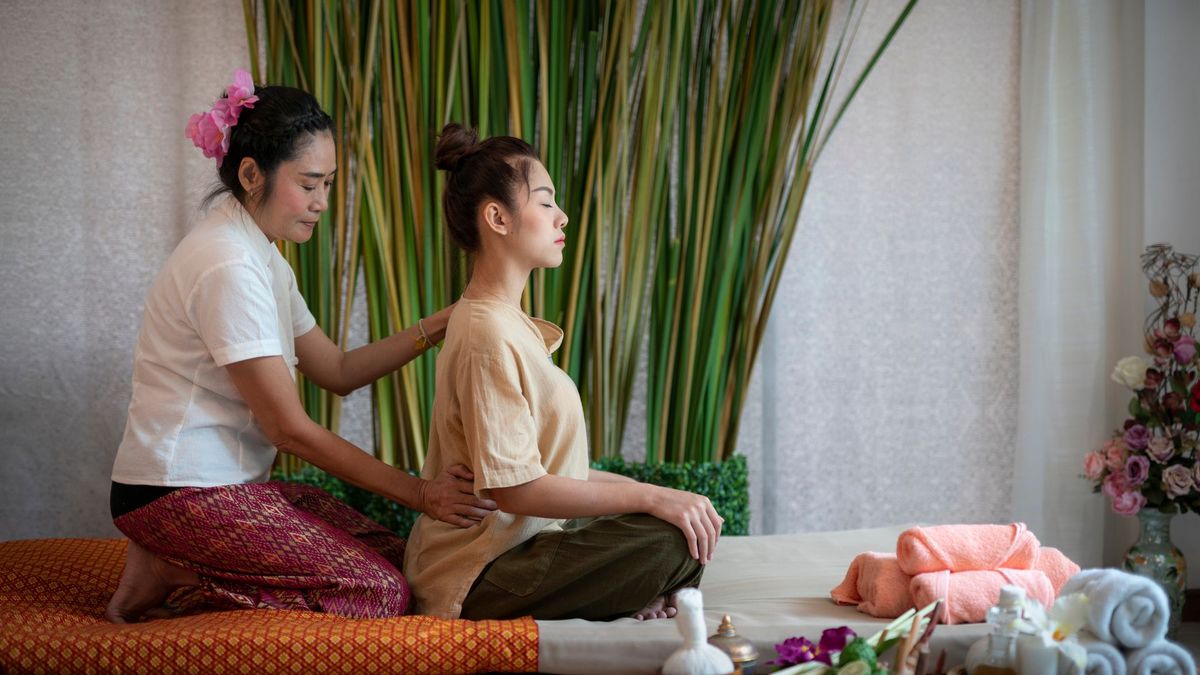
When you step into a Thai massage session, you’re entering a world where ancient techniques meet holistic healing. This unique therapy combines elements of acupressure, yoga, and energy work, focusing on your body’s natural flow.
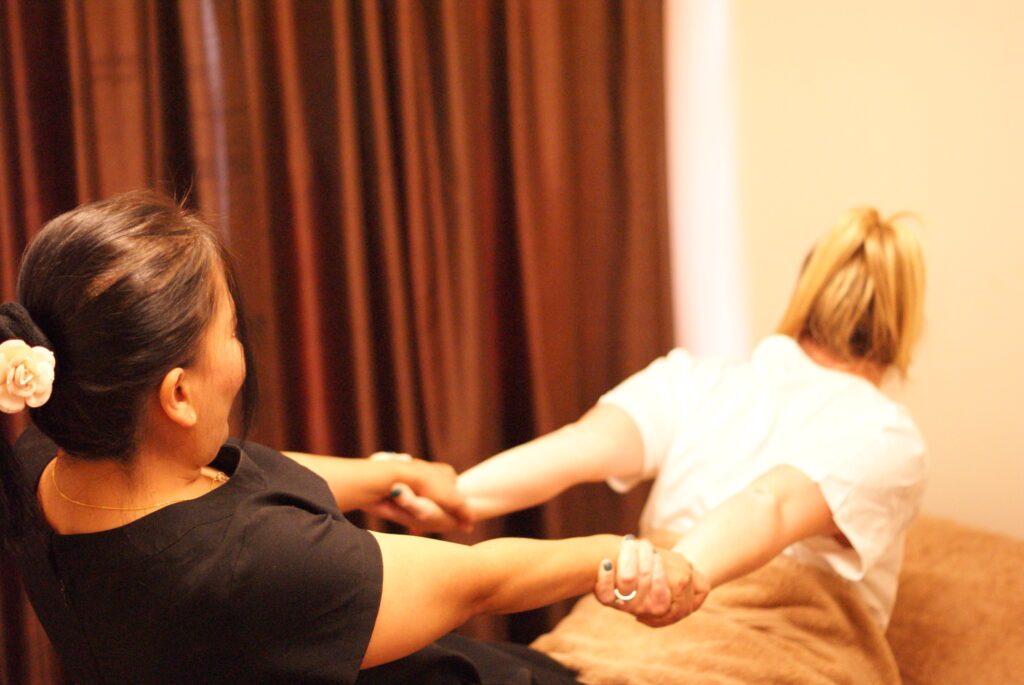
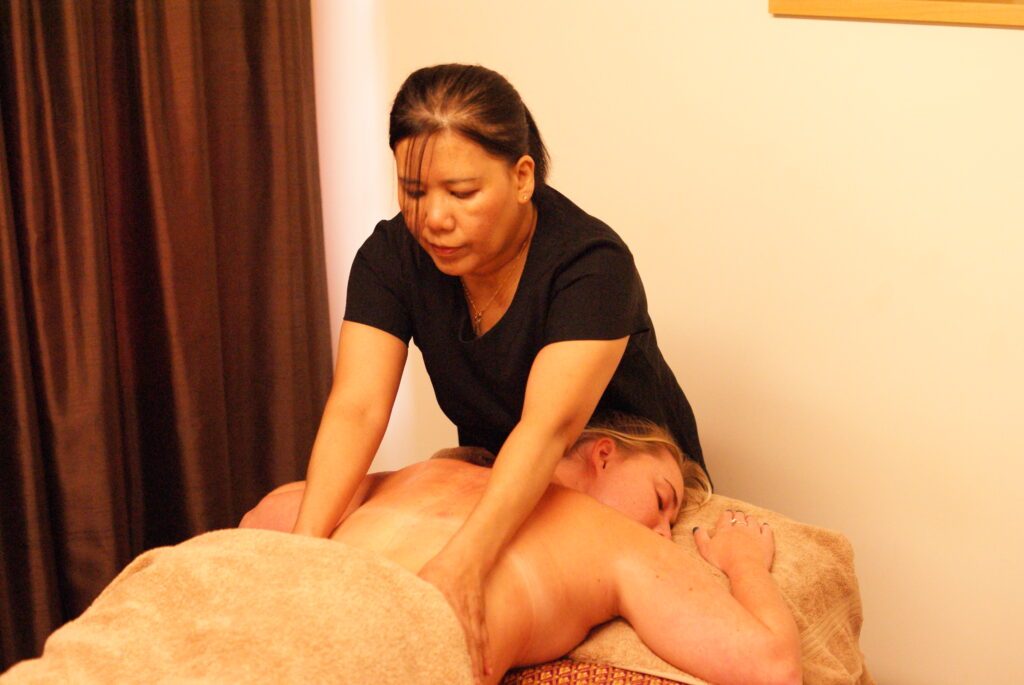
You’ll experience Thai stretching, which involves gentle yet firm movements that help enhance flexibility and relieve tension. Your therapist uses their hands, feet, elbows, and knees to apply pressure and guide you into various postures, allowing your body to open up and release stored stress.
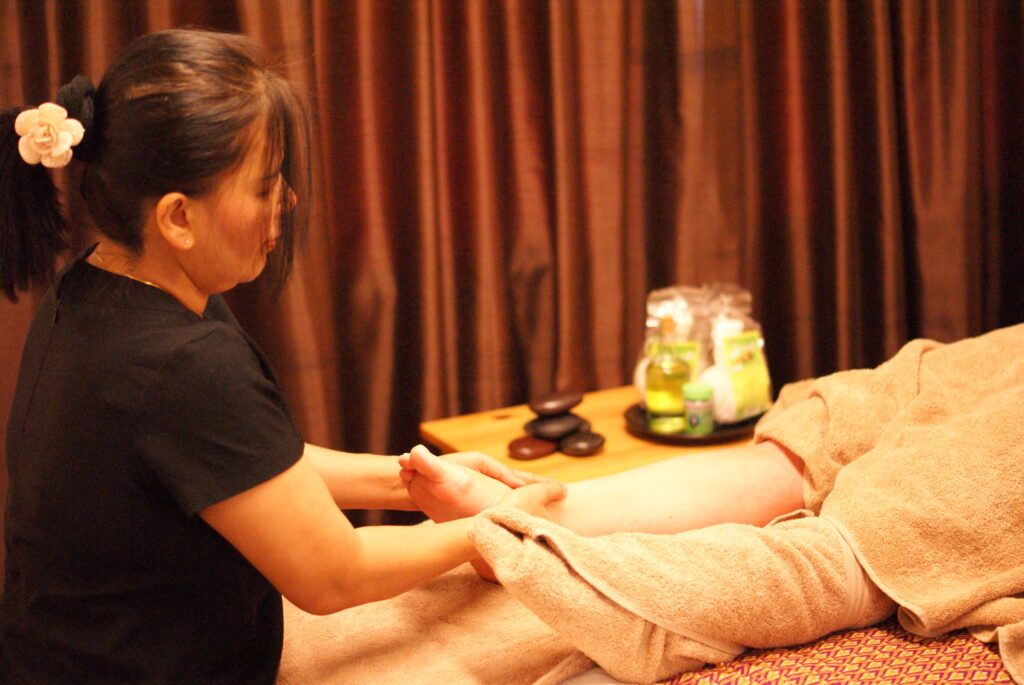
During the session, your therapist will target specific pressure points along your body’s energy lines, known as “Sen.” By stimulating these points, they help to balance your energy and improve overall well-being.
You might feel a mix of sensations as each area is worked on; some might be intense while others feel soothing. The goal isn’t to cause pain but to push your limits and encourage deep relaxation.
As you immerse yourself in this practice, remember that communication is key. Don’t hesitate to inform your therapist about your comfort levels, ensuring your experience is both beneficial and enjoyable.
With openness, you’ll discover the life-changing potential of Thai massage techniques.
Common Sensations Experienced
As you explore the domain of Thai massage, you’ll likely encounter a variety of sensations that can range from deeply relaxing to surprisingly intense. When a therapist applies pressure to your muscles, you may feel a release of built-up muscle tension. This sensation can be both relieving and a bit uncomfortable, especially if you’re not used to such deep work.
You might also experience moments of intense stretching, which can evoke a mix of sensations—some stretching feels invigorating, while others may push your limits. Don’t be alarmed if you find yourself holding your breath; this is a natural reaction to the intensity of the experience.
However, as the session progresses, you’ll likely begin to notice a relaxation response kicking in. With each breath, you may start to feel lighter and more at ease, allowing both your body and mind to unwind.
Embrace this journey through discomfort to profound relaxation, as it’s all part of the Thai massage experience. Remember, everyone’s experience is unique, so listen to your body and communicate with your therapist to guarantee a positive session.
Factors Influencing Pain Levels
Several factors can influence your pain levels during a Thai massage, shaping your overall experience. First, your individual tolerance to discomfort plays an essential role. Everyone’s threshold for pain varies, so what feels intense for one person might be perfectly manageable for another.
Next, the therapist’s technique and the amount of pressure applied can greatly impact how you perceive pain. Thai massage often involves targeting specific pressure points, which can be stimulating but may also cause discomfort if you’re not accustomed to it. Communicating with your therapist about your comfort level is important; they can adjust their approach to meet your needs.
Additionally, your physical condition matters. If you’re dealing with muscle tension or injuries, you might experience heightened sensitivity in certain areas. On the flip side, if you’re regularly active and maintain flexibility, you may find the pressure more enjoyable than painful.
Lastly, your mental state can affect your pain perception. If you’re anxious or tense, you might feel more discomfort. Relaxing and being open to the experience can help mitigate pain, allowing you to enjoy the benefits of Thai massage more fully.
Addressing Misconceptions
Misconceptions about Thai massage often lead to confusion and hesitation for those considering it. Many people assume it’s painful because of its deep stretching and pressure techniques. However, this perception often stems from cultural differences and personal preferences.
In Thailand, massage is viewed more as a healing art than a luxury, and the approach varies markedly from Western practices. You might worry that the intensity will be overwhelming, but remember that every therapist tailors the experience to your comfort level.
They’re trained to recognize your boundaries and will adjust their techniques based on your feedback. It’s essential to communicate openly about what feels comfortable and what doesn’t.
Cultural perceptions can also play a role in how you anticipate the experience. If you’re used to softer, more relaxing massages, the thought of Thai massage might feel intimidating.
Yet, many first-timers discover that the blend of stretching and pressure can be invigorating rather than painful.
Tips for a Comfortable Experience
To guarantee a comfortable experience during your Thai massage, it’s essential to communicate openly with your therapist right from the start. Let them know about any areas of tension or discomfort you may have, and don’t hesitate to express your preferences regarding pressure and technique.
Incorporating breathing techniques can greatly enhance your relaxation. Focus on slow, deep breaths to help ease tension and ground yourself during the session. If you feel any discomfort, remember to breathe through it; this can help you stay relaxed and in tune with your body.
You might also want to explore relaxation methods beforehand. Consider practicing mindfulness or meditation to prepare your mind and body for the experience. Arriving in a calm state can make a big difference in how you perceive the massage.
Lastly, keep in mind that it’s perfectly okay to ask for adjustments during the session. Your comfort is the priority, and your therapist is there to guarantee you have a positive experience.
Trust the process, listen to your body, and you’ll likely find Thai massage to be a deeply rewarding and rejuvenating experience.
And Finally
In the world of Thai massage, think of your body as a garden—sometimes, it needs a little pruning to blossom. While first-timers might feel some discomfort, remember that this is part of the process. By understanding the techniques and listening to your body, you can navigate the experience with ease. Embrace the journey, communicate with your therapist, and you’ll find that the potential pain transforms into a soothing release, leaving you refreshed and rejuvenated.