Do you often find yourself hunched over a computer, feeling the aches and tension build up in your back, neck, and shoulders? Or perhaps your body feels stiff and inflexible, like you’re carrying the weight of the world on your shoulders? If this sounds familiar, you’re not alone.
Many of us experience discomfort and stress in our daily lives. But what if there was a natural way to find relief and restore balance to your body and mind? In this guide, we’ll explore the ancient art of Thai massage, its many benefits, and how it can help you find relief from pain, reduce stress, and unlock your body’s full potential. This guide is designed for beginners, so if you’re curious, we’re here to guide you through this wonderful experience.
A Journey to Relief and Rejuvenation
It’s time to leave behind the stiffness and strain, and explore a path to a more balanced and relaxed version of you. This ancient practice can help you to unlock long lasting pain relief, and help you to find a stronger mind body connection. This is more than just a massage, it is a journey.
What We Will Explore:
In this comprehensive guide you will learn:
- The definition and origins of Thai Massage
- How Thai Massage can help with your specific pains and discomforts
- What to expect during your first session
- How to find the best therapist and location for you
What is Thai Massage? Exploring the Ancient Art of Nuad Thai
Thai massage, also known as Thai yoga massage or Nuad Boran in Thai, is an ancient healing system that originated in Thailand over 2,500 years ago. It’s more than just a typical massage; it’s a unique blend of acupressure, assisted stretching, and mindful movement that works to balance the body’s energy and promote overall well-being.
More Than Just a Massage: A Holistic Approach
Unlike Swedish or deep tissue massages, which often focus solely on muscle relaxation, Thai massage takes a holistic approach. It views the body as a network of energy lines, or Sen lines, through which life force flows. By applying pressure to specific points along these lines and gently guiding the body through yoga-like stretches, Thai massage aims to release blockages and restore balance to this energy flow. It’s a unique bodywork experience designed to help you connect to your body.
The Principles of Thai Massage
At its core, Thai massage is based on several key principles:
- Assisted Stretching: Gentle, rhythmic stretching that promotes flexibility, range of motion, and muscle release. This is unique to Thai massage compared to other massage styles.
- Acupressure: The application of pressure to specific points on the body, stimulating energy flow and relieving tension.
- Mindful Movement: Gentle movements are used to open joints and release muscle tension, promoting a feeling of fluidity and ease throughout the body.
- Holistic Healing: The understanding that physical, mental, and emotional well-being are interconnected, and that massage can influence all aspects of health.
- Energy Flow: The focus on restoring the body’s natural flow of energy and promoting balance.
The Origins of Thai Massage
Thai massage has roots in traditional Indian medicine, including Ayurvedic practices and yoga. It was further developed in Thailand by Buddhist monks as a form of healing and spiritual discipline. Over centuries, it has been refined and passed down through generations, becoming an integral part of Thai culture and healthcare practices.
This ancient practice is more than just a way to relax the muscles; it’s a journey into self-discovery, connecting you with the wisdom of your body and restoring inner harmony.
Is Thai Massage Safe for Me? Addressing Common Concerns
One of the first questions many people have about Thai massage, especially those new to it, is: “Is it safe?” It’s understandable to feel a little apprehensive, particularly if you’ve seen images of people being stretched into seemingly complex positions. Let’s address these concerns head-on.
Thai Massage is Gentle and Adaptable
The truth is, Thai massage is not about forcing your body into uncomfortable poses. A skilled practitioner works with your body, respecting its natural range of motion and limitations. The goal isn’t to achieve extreme flexibility, but rather to gently release tension and promote a feeling of ease and openness.
It’s Not About Pain, It’s About Release
Unlike some other types of massage that might involve deeper pressure, Thai massage emphasizes gentle, rhythmic movements and controlled stretches. You should never feel like you’re being pushed beyond your comfort zone. A good Thai massage should feel like a collaborative process between you and the therapist, not like a battle against your body. If you ever feel discomfort, it’s crucial to communicate with your therapist so they can adjust the techniques.
Your Comfort and Safety are Paramount
A qualified Thai massage therapist will always:
- Listen to Your Needs: They’ll start by asking about your health history, any existing injuries or conditions, and your comfort levels.
- Adapt to Your Body: They’ll adjust the pressure, stretching intensity, and techniques based on your individual requirements.
- Communicate Throughout: They’ll continuously check in with you to ensure you are feeling comfortable and relaxed.
- Respect Your Boundaries: They will honor your preferences and never push you into a stretch that feels painful or unsafe.
- Not require flexibility They will remind you that it doesn’t matter if you are not flexible, it can still help you to feel better.
Thai Massage for Beginners
For beginners, it’s especially important to choose a therapist who is experienced in working with people who are new to Thai massage. They’ll be able to guide you through the process and ensure you feel safe and supported every step of the way. If you have any concerns, make sure to address them with your therapist directly. Open communication is key to a successful and safe Thai massage experience.
With the right therapist and an open mind, you can experience the many benefits of Thai massage without fear. It’s a path to healing that is both gentle and powerful.
How Will Thai Massage Help My Specific Issues? Exploring the Benefits
Now that we’ve addressed any concerns you might have, let’s dive into how Thai massage can directly help with the specific issues many of us experience, like lower back pain, neck tension, and a general feeling of stiffness. This ancient practice isn’t just about relaxation; it’s a powerful tool for addressing these discomforts and improving your overall health.
Relief for Lower Back Pain
If you spend long hours sitting at a desk, you’re likely familiar with that persistent ache in your lower back. Thai massage offers a holistic approach to relieving this discomfort by:
- Releasing Muscle Tension: Gentle stretching and acupressure can release knots and tightness in the lower back muscles.
- Improving Circulation: By increasing blood flow to the area, Thai massage helps to nourish tissues and reduce inflammation.
- Restoring Balance: Gentle movements align the pelvis and spine, restoring balance and reducing strain.
Easing Neck and Shoulder Tension
That feeling of carrying the weight of the world on your shoulders can often lead to tight muscles, tension headaches, and general discomfort. Thai massage can help you alleviate these issues by:
- Releasing Knots and Tension: Pressure points and gentle stretches around the neck and shoulders can release knots and tightness.
- Reducing Headaches: By relaxing neck muscles, Thai massage can help alleviate tension headaches and migraines.
- Promoting Relaxation: Calming techniques during the massage help to reduce stress and tension that often contribute to neck and shoulder pain.
Improving Flexibility and Range of Motion
Feeling stiff and inflexible can make even simple movements feel difficult. Thai massage can help you improve your flexibility and range of motion by:
- Gentle Assisted Stretching: The guided stretches increase flexibility in your hips, hamstrings, back, and shoulders.
- Joint Mobility: The movements used in Thai massage can improve the mobility and function of your joints.
- Enhanced Body Awareness: As you stretch and move, you’ll become more aware of your body’s limitations and how to move more freely.
The Mind-Body Connection: Reduced Stress and Improved Well-Being
Thai massage isn’t just about the physical body; it also has profound benefits for your mind and emotions. By promoting deep relaxation, it can:
- Reduce Stress and Anxiety: The calming techniques and focused movements help quiet the mind and ease stress.
- Enhance Mental Clarity: By releasing physical tension, Thai massage can help to clear the mind and improve focus.
- Promote Emotional Balance: It supports emotional release and helps to cultivate a sense of peace and well-being.
In summary, Thai massage offers a multi-faceted approach to improve your physical, mental, and emotional well-being. It’s not just a massage; it’s a journey towards a healthier, more balanced you.
What Should I Expect During a Thai Massage Session? A Step-by-Step Guide
Now that you know what Thai massage is and how it can benefit you, let’s walk through what a typical session looks like. This will help you feel more comfortable and prepared for your first experience.
Before the Session Begins: Consultation and Preparation
- Initial Consultation: Before your session, your therapist will usually have a conversation with you to gather some important information.
- They may ask about your health history, any existing injuries or areas of concern, and your goals for the session.
- Comfortable Clothing: You won’t need to disrobe for Thai massage. Instead, you’ll want to wear comfortable, loose-fitting clothing that allows for freedom of movement. Think of what you would wear for a yoga class: comfortable pants, shorts, t-shirt.
- Preparation: You will be asked to remove shoes and any jewelry. Then you will be guided to the mat, where the session will take place.
During the Thai Massage: A Dance of Movement and Touch
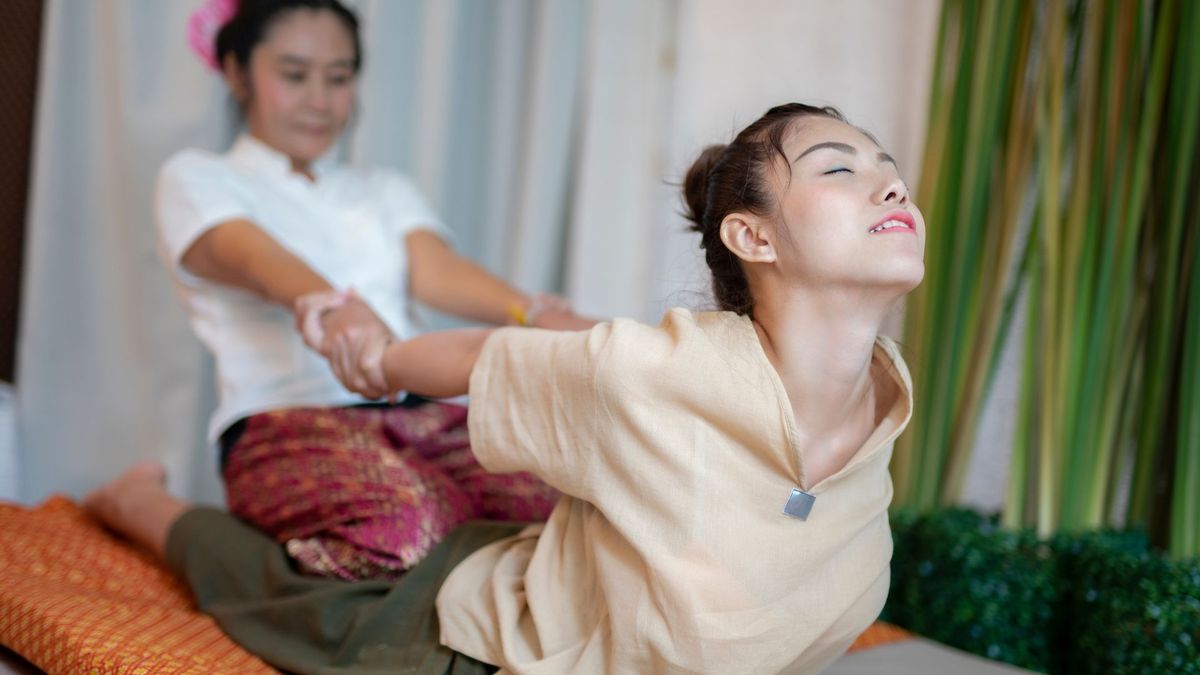
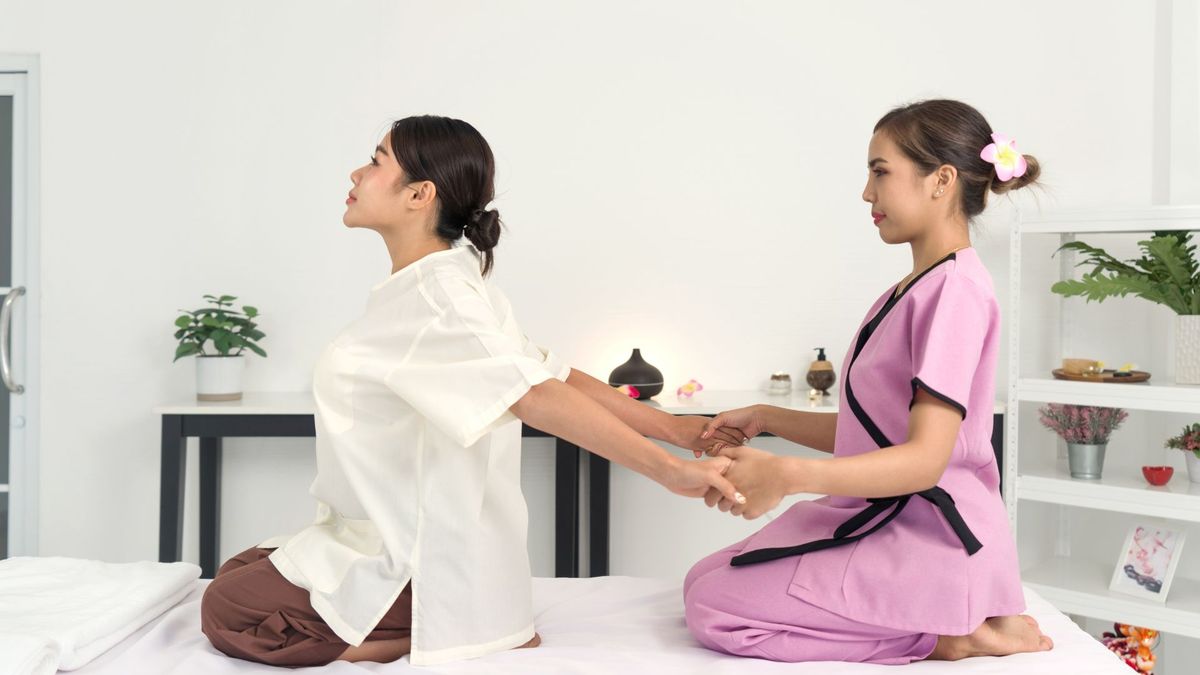
A Thai massage is performed on a comfortable mat placed on the floor, not on a massage table. Unlike other massage styles, it often involves active participation from the client. It’s like a dance between you and your therapist:
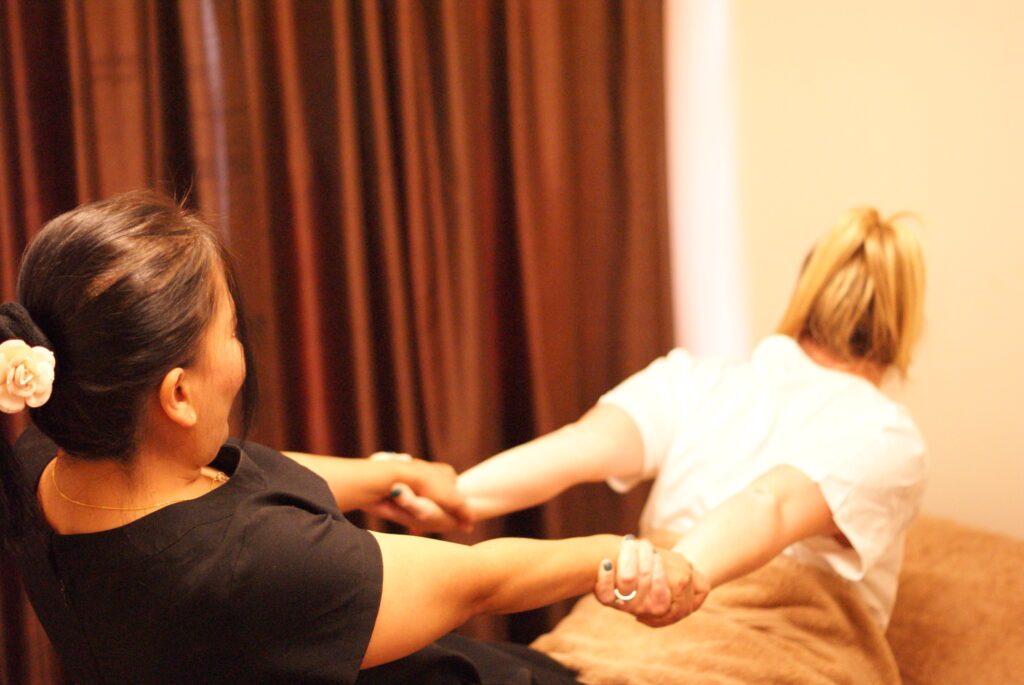
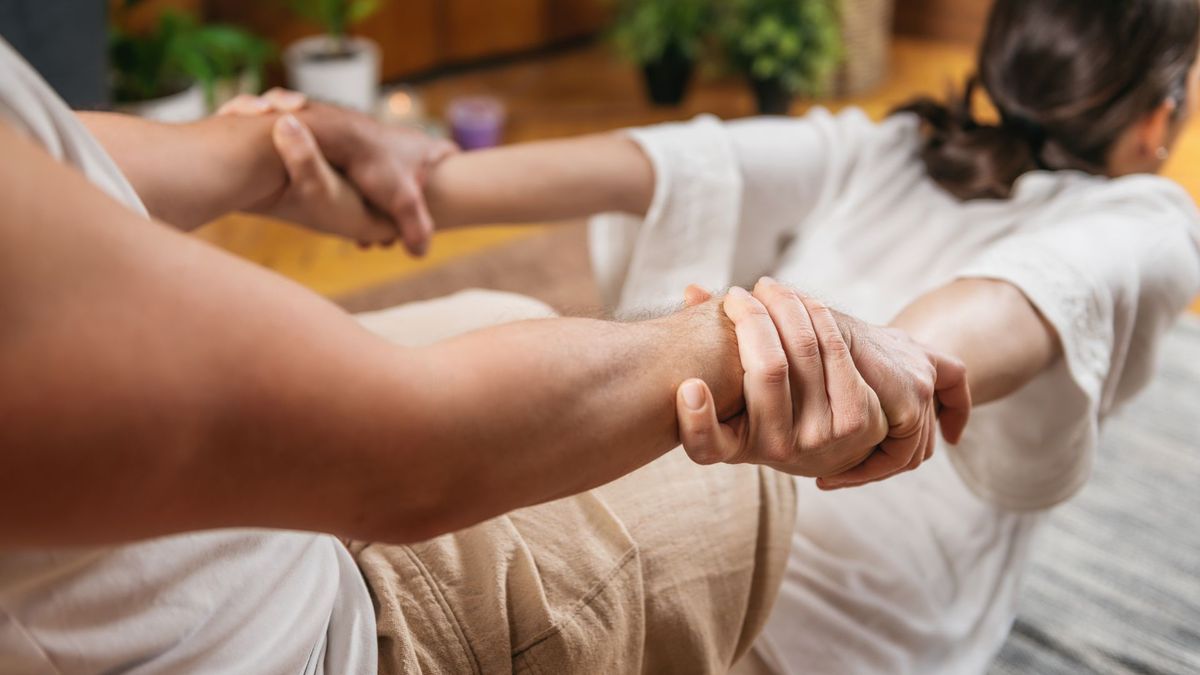
- Gentle Stretches and Movements: Your therapist will guide you through a series of gentle, assisted stretches and movements. These may include yoga-like poses, rhythmic rocking, and gentle joint mobilization. They’ll also be applying pressure to specific points on the body
- Acupressure Techniques: Using their hands, thumbs, elbows, knees, and feet, the therapist will apply pressure to specific points along the body’s energy lines.
- Emphasis on Breathing: Throughout the session, your therapist will remind you to breathe deeply, helping to calm your mind and enhance the flow of energy.
- Fluidity and Transitions: The session flows from one movement to the next in a rhythmic and intentional way. Your therapist will use smooth transitions.
- Use of Props: Your therapist may use props, such as a cushion, to help make the stretches more comfortable.
- Communication is Key: You’ll be encouraged to communicate with your therapist throughout the session. They will ask about pressure and comfort levels. If anything ever feels too intense or uncomfortable, it’s essential to speak up.
After the Session
After your session, you will likely feel a sense of deep relaxation, lightness, and freedom in your body. Your therapist will offer water, and then guide you to stand slowly and take your time. You will be left to get dressed, and then be guided into the reception area.
A Few Things to Remember
- Be Open: Approach the session with an open mind and allow yourself to receive the benefits.
- Trust Your Therapist: Choose a therapist you feel comfortable with and trust their expertise.
- Relax and Breathe: Focus on your breath throughout the session and allow yourself to fully relax.
- Communicate: If you ever feel discomfort, or need a modification of movement, let your therapist know.
By knowing what to expect, you can approach your first Thai massage with confidence and truly enjoy its many benefits.
How Do I Choose a Qualified Thai Massage Therapist? Finding the Right Fit
Finding the right Thai massage therapist is crucial for a safe and beneficial experience. It’s important to choose someone who is not only knowledgeable but also someone with whom you feel comfortable and trusting. Here’s a guide to help you navigate the process of finding a qualified practitioner:
Look for Credible Training and Certification
- Check Their Credentials: Seek out therapists who have completed certified training programs from reputable schools or organizations.
- Verify Their Experience: Inquire about the therapist’s years of experience, particularly with Thai massage. Ask if they have specific training in styles you are interested in.
- Ask about Ongoing Training: A qualified therapist will be committed to ongoing learning and development in their field.
Prioritize a Comfortable and Ethical Practice
- Listen to Your Intuition: Choose a therapist or studio that feels welcoming and comfortable.
- Professional Environment: Ensure that the massage setting is clean, peaceful, and conducive to relaxation.
- Ask Questions: Do not be afraid to ask questions, a qualified therapist should be more than happy to answer them.
Seek Recommendations and Reviews
- Word-of-Mouth: Ask friends, family, or colleagues if they can recommend any reliable Thai massage therapists.
- Online Reviews: Check online review platforms for feedback from other clients about the therapist or studio’s service.
- Social Media: Look on their social media for testimonials or for a view of their practice.
Communication and Compatibility
- Schedule a consultation: A qualified therapist will often offer a consultation to answer any questions.
- Trust Your Gut: Ultimately, choose a therapist you feel comfortable with and who demonstrates a genuine commitment to your well-being.
Questions to Ask a Potential Thai Massage Therapist
- “What certifications or training do you have in Thai massage?”
- “How many years of experience do you have practicing Thai massage?”
- “What style of Thai massage do you typically practice?”
- “Do you have experience working with clients who have [specific conditions, e.g., back pain]?”
- “How do you ensure the comfort and safety of your clients during a session?”
- “Do you offer a consultation before starting?”
Finding a Studio or Clinic
When looking for a studio or clinic, consider:
- Cleanliness and Ambiance: Does the space feel clean, calming, and comfortable?
- Professionalism: Are the staff friendly, knowledgeable, and professional?
- Specialization: Does the studio specialize in Thai massage or other related therapies?
By taking these factors into account, you can confidently find a Thai massage therapist who is qualified, experienced, and the right fit for your needs. Remember, your comfort and well-being are paramount, so don’t settle for less than the best.
Different Styles of Thai Massage: A Quick Overview
While all Thai massage styles share the same core principles, there are some variations in techniques and approaches that are helpful to know about. This section will give you a brief understanding of the two main styles: Northern and Southern.
Northern Style Thai Massage (Chiang Mai Style)
The Northern style of Thai massage, often called the Chiang Mai style, is known for its more gentle and flowing movements. It tends to be:
- Slower and More Rhythmic: Movements are generally slower, more fluid, and meditative.
- Emphasis on Acupressure: Therapists might use more sustained pressure along the Sen lines.
- Focus on Deep Relaxation: This style emphasizes relaxation and a deep sense of calm.
- Often includes more stretching: The Northern style is known for being more passive and can include more gentle stretches.
If you’re seeking a deeply relaxing experience that gently releases tension, the Northern style might be a good fit for you.
Southern Style Thai Massage (Bangkok Style)
The Southern style of Thai massage, also referred to as the Bangkok style, is generally more intense and dynamic compared to the Northern style. It’s characterized by:
- Faster Pace and More Vigorous Movements: Sessions may be faster-paced with a focus on more dynamic stretches and techniques.
- Deeper Pressure: The therapist might apply more deep pressure, particularly on specific points.
- More Active Participation: The Southern style can involve more active participation, or movement from you, than the Northern style.
- Emphasis on Releasing Blockages: This style is focused on working deeper into the muscles to release energetic blockages.
Which Style Is Right for You?
It’s important to remember that every therapist brings their own unique style and approach to Thai massage, so even within these two main categories, there will be variations. Many practitioners incorporate aspects of both styles into their practice.
When booking a session, you can inquire about the therapist’s preferred style. However, don’t get too hung up on choosing the “right” style. The most important thing is to find a therapist with whom you feel comfortable and who listens to your needs.
Ultimately, your own body will tell you what it needs. Whether you prefer a more gentle and relaxing experience or a more dynamic session, the benefits of Thai massage can be profound.
How Is Thai Massage Different from Other Types of Massage? Understanding the Key Differences
You might be wondering how Thai massage differs from other massage styles you may be familiar with, such as Swedish, deep tissue, or sports massage. While all these types of massage offer therapeutic benefits, they vary in their techniques, focus, and approach. Here’s a breakdown of the key differences:
Thai Massage vs. Swedish Massage
- Swedish Massage: This style primarily involves long, gliding strokes, kneading, and circular motions. It focuses on relaxing the muscles, improving circulation, and promoting overall relaxation.
- Thai Massage: Uses assisted stretching, acupressure, and mindful movement along energy lines and points, going beyond muscle relaxation and focusing on energy balance.
- Thai massage is done on a mat on the floor, and is not oil based.
Thai Massage vs. Deep Tissue Massage
- Deep Tissue Massage: This style is designed to release chronic muscle tension through slow, deep pressure applied to specific areas.
- Thai Massage: While Thai massage can release deep-seated tension, it does so through a combination of stretching, acupressure, and movement, which often makes it feel less invasive than deep tissue.Key Difference: Deep tissue massage focuses on targeting specific muscle knots and adhesions, using more direct and deeper pressure, while Thai massage works to release tension by focusing on stretching, acupressure and movement of the whole body.
Thai Massage vs. Sports Massage
- Sports Massage: This style is geared towards athletes, focusing on specific muscle groups used in sports and aiming to improve performance, prevent injuries, and speed recovery.
- Thai Massage: While beneficial for athletes, Thai massage takes a more holistic approach, addressing the entire body and promoting overall balance, rather than focusing solely on specific muscles.Key Difference: Sports massage targets specific muscles related to athletic activity, while Thai massage offers a holistic approach beneficial for athletes and people from all walks of life, focusing on energy flow, flexibility, and overall well-being.
Key Takeaways: The Unique Qualities of Thai Massage
- Movement and Stretching: Thai massage uniquely incorporates assisted stretching and movement as core components.
- Holistic Approach: Thai massage focuses on the entire body, recognizing the interconnectedness of the physical, mental, and emotional.
- Energy Flow: It works to balance the body’s energy through pressure points along energy lines.
- Mindfulness: The practice encourages mindful breathing and presence throughout the session.
Which Style Would Be Best for You?
If you’re primarily seeking relaxation and basic muscle tension relief, Swedish massage might be suitable. If you have specific muscle knots or areas of deep tension, deep tissue massage could be beneficial. However, if you’re looking for a holistic approach that combines stretching, acupressure, and mindful movement while promoting flexibility and overall balance, Thai massage is a great option to explore.
By understanding these key differences, you can make an informed decision about which type of massage will best meet your needs and preferences.
What Happens After a Thai Massage Session? Maximizing Your Benefits
After your Thai massage, you may feel deeply relaxed and rejuvenated. To help you extend the benefits of your session and promote continued well-being, here are some helpful tips and guidelines for post-massage care:
Hydration is Key
- Drink Plenty of Water: After your session, it’s important to drink plenty of water to help flush out toxins released during the massage and keep your body hydrated.
Gentle Movement and Stretching
- Light Activity: Engage in light activities like gentle walking or stretching to promote circulation and mobility.
- Avoid Overexertion: Avoid strenuous exercise or heavy lifting immediately after your massage to allow your body to integrate the effects of the treatment.
Listen to Your Body
- Rest if Needed: If you feel tired or need to rest, allow yourself time to relax and recover.
- Avoid Rushing: If possible, do not plan other activities that will require you to rush after your appointment. Take your time, and let yourself enjoy the feeling of the massage
- Pay Attention to Sensations: Be aware of any sensations or changes in your body and adjust your activities accordingly.
Possible Post-Massage Sensations
- Increased Relaxation: It is common to feel deeply relaxed, calm, and even a little sleepy after your session.
- Muscle Soreness: Some people may experience mild muscle soreness, similar to what you might feel after a workout, this will pass.
- Emotional Release: It’s also possible to experience an emotional release, as massage can bring stored-up emotions to the surface. This is a normal and healthy response.
- Increased Energy: Others report feeling more energetic, and refreshed.
Continued Self-Care
- Regular Sessions: Consider making Thai massage a part of your regular self-care routine to experience its cumulative benefits.
- Mindfulness: Incorporate mindful breathing and gentle stretching into your daily routine to promote well-being and maintain the benefits of your session.
- Self-Massage: Explore simple self-massage techniques to support your body between sessions.
When to Contact Your Therapist
While most post-massage experiences are positive and temporary, it’s important to contact your therapist if you experience:
- Persistent pain: Any severe or persistent pain that doesn’t subside after a day or two.
- Unusual discomfort: Any unusual or unexpected discomfort or swelling.
- Other concerns: Any other concerns or questions you have following your treatment.
By following these aftercare tips, you can help your body integrate the benefits of Thai massage and continue on your path to improved well-being. Remember to listen to your body and take things at your own pace.
What is the Cost and Time Commitment Involved? Practical Considerations
Understanding the cost and time commitment involved in Thai massage is an important part of planning your wellness journey. This section will provide some general guidelines to help you prepare for your session.
Typical Cost of a Thai Massage Session
The cost of a Thai massage session can vary depending on several factors, including:
- Location: Prices may be higher in urban areas or tourist destinations.
- Therapist Experience: More experienced or highly specialized therapists may charge higher rates.
- Studio/Clinic: High-end spas or specialized clinics may have higher prices than smaller, independent practices.
- Session Length: Longer sessions will typically cost more.
General Price Range:
Typically, you can expect to pay anywhere from $[Lowest Price Range] to $[Highest Price Range] for a standard Thai massage session. It’s always wise to contact your therapist or studio beforehand to confirm their pricing.
Time Commitment for a Thai Massage Session
Thai massage sessions can vary in length, but typical sessions usually last for:
- Standard Session: A typical Thai massage session usually lasts between 60 to 90 minutes.
- Longer Sessions: Some therapists offer longer sessions, such as 120 minutes, for a more thorough and extended experience.
- Shorter Sessions: In some cases, you may be able to find shorter sessions, around 45 or 60 minutes, but these will be less comprehensive.
- Consultation Time: Always allow for a few minutes before and after your session for the therapist to ask questions, and for you to get changed.
Allow Extra Time:
It’s a good idea to allow extra time before and after your session to arrive, settle in, and to slowly prepare to re-enter your daily schedule. You will also need to take some time to get changed both before and after.
Packages and Session Options
- Packages: Some studios or therapists offer packages or bundles that provide a discount for multiple sessions, which can be a great option if you plan to make Thai massage a regular practice.
- Customized Sessions: Many therapists are willing to customize sessions based on your time and needs. Be sure to have an open discussion about this prior to your session.
Transparency and Planning
Before booking your session:
- Inquire About Costs: Be sure to ask about the cost of the session beforehand.
- Clarify Session Length: Confirm the length of the session and any additional time required for consultations or prep.
- Consider Travel Time: Plan for travel time to and from your appointment.
By considering these practical aspects, you can plan your Thai massage session with confidence, fitting it comfortably into your schedule and budget.
Note: Replace $[Lowest Price Range] and $[Highest Price Range] with realistic price ranges based on your location and research.
Conclusion: Embrace the Transformative Power of Thai Massage
We’ve journeyed through the world of Thai massage, exploring its ancient origins, its many benefits, what to expect during a session, how to find a qualified therapist, and practical considerations for planning your experience. Now, it’s time to bring it all together.
Reaping the Benefits: A Quick Recap
Let’s briefly revisit the main reasons why Thai massage might be the right choice for you:
- Pain Relief: It can effectively alleviate back pain, neck tension, shoulder pain, and headaches.
- Enhanced Flexibility: It promotes flexibility, range of motion, and overall mobility.
- Stress Reduction: It helps to calm the mind, reduce stress and anxiety, and enhance mental clarity.
- Holistic Well-being: It balances your body, mind, and spirit, promoting overall well-being.
- Mindful Movement: The practice integrates movement, touch, and mindfulness for a deeply transformative experience.
Your Path to a Healthier, More Balanced You
Thai massage offers a unique approach to wellness that goes beyond basic relaxation. It’s a practice that respects the wisdom of the body and helps you tap into its innate healing capabilities. Whether you are seeking relief from chronic pain, a way to reduce stress, or simply a path to improved well-being, Thai massage can help guide you there.
Take the Next Step
Ready to experience the transformative power of Thai massage for yourself? Here are some steps you can take now:
- Research Local Therapists: Start exploring Thai massage studios or practitioners in your area. Use the tips outlined earlier to find qualified professionals.
- Schedule a Consultation: Reach out to therapists you are interested in and inquire about consultations. Ask questions to make sure it is the right fit.
- Book Your Session: Choose a session time and date that fits your schedule and budget and start looking forward to your session.
- Prepare and Relax: Before your session, wear comfortable clothes, take a few deep breaths and prepare yourself for a unique and transformative experience.
- Embrace the Journey: Remember, every journey to wellness is a personal one, and Thai massage can be a powerful tool along the way.
The path to a healthier, more balanced you awaits. Take that step and discover the ancient wisdom of Thai massage. You deserve it!